
The global market for telemedicine and health apps is growing stronger every year. According to Fortune Business Insights, the telemedicine market size was valued at USD 104.64 billion in 2024 and is projected to reach USD 111.99 billion in 2025. With a forecasted CAGR of 16.93%, the market could grow to USD 334.80 billion by 2032.
This rise is fueled by new and creative healthcare app ideas. Many medical companies are now working closely with healthcare app development firms to build apps that focus on both medical services and health sciences.
These apps are proving to be very useful for doctors, nurses, and hospital staff. They make it easier to access patient health records, stay connected with colleagues, check important medical information, and manage appointments. Because of this, patients can receive care faster, and doctors can provide support more effectively.
Health authorities and organizations are also playing a role in expanding telehealth. For example, in April 2024, the FDA approved a digital therapeutic app called Rejoyn, designed to treat depressive disorder. Developed by Otsuka Pharmaceutical Co. Ltd. and Click Therapeutics, Inc., Rejoyn became the first prescription-only app for depression. This approval highlights how digital tools can help people receive expert treatment and support without leaving their homes.
From tracking fitness goals to monitoring ongoing health conditions, health apps are now becoming part of everyday life. They make healthcare more accessible, more personalized, and more convenient for everyone. To understand this impact better, let’s take a look at some key statistics from the healthcare market.
Key Healthcare Industry Statistics You Should Know in 2025
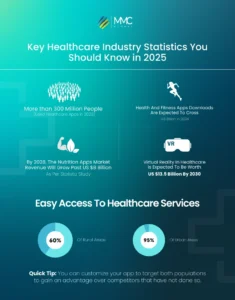
More than 300 million people used healthcare apps in 2023, showing how much mobile health tools are part of daily life. The global Health (mobile health) market was valued at around USD 62.7 billion in 2023 and is expected to grow to about USD 71.9 billion in 2024, with a strong CAGR of 14.1% through 2030 Grand View Research.
Looking ahead to 2025, some analysts estimate the market will reach USD 103.7 billion, with growth projected to continue to USD 329.8 billion by 2030 that’s a robust CAGR of 26.0% Mordor Intelligence.
Downloads of health and fitness apps are soaring too. In 2024, the global fitness app market was worth about USD 10.6 billion, and it’s expected to grow to USD 23.2 billion by 2030, at a 13.9% CAGR from 2025 to 2030 Grand View Research.
There’s a clear urban–rural gap in telehealth access. While precise new figures for 2025 weren’t found, older research showed that around 95% of urban residents enjoy good telehealth access, but in rural areas only about 60% do, a persistent inequality that app developers can address.
Nutrition and diet apps continue to gain popularity. In 2023, the global nutrition apps market generated around USD 5 billion in revenue. It’s expected to rise steadily, potentially reaching USD 14 billion by 2033, growing at a CAGR of 11.5% from 2024 to 2033 Market.us Media.
One of the most exciting areas of growth is virtual reality in healthcare. In 2024, the VR healthcare market was valued at USD 5.62 billion, and it’s on track to grow to approximately USD 29.4 billion by 2030, with a CAGR of 30.3% between 2025 and 2030 Grand View Research. Another report estimates the broader augmented and virtual reality (AR + VR) healthcare market at USD 3.9 billion in 2024, with projections rising to USD 30 billion by 2034, growing at about 22.9% CAGR Global Market Insights Inc..
Main Types of Healthcare Apps
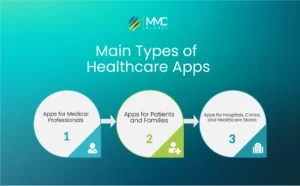
Before jumping into healthcare app ideas, it’s important to understand the main types of healthcare apps. Knowing these categories will help you identify the right audience and create an app that truly meets their needs.
● Apps for Medical Professionals
Some apps are designed specifically for doctors, nurses, and other healthcare experts. These include reference tools, remote monitoring apps, telehealth apps, and medical calculators.
For instance, the FDA approved the Apple Watch AFib (Atrial Fibrillation) history feature to be used in clinical trials, helping researchers detect heart rhythm issues. In another study, a smartphone app showed reliable results in identifying Frontotemporal Dementia (a condition caused by the loss of nerve cells in the brain’s frontal and temporal lobes). The research involved 360 participants and proved that apps can be valuable tools in clinical diagnosis.
● Apps for Patients and Families
These apps are built to support patients and their caregivers in day-to-day health needs. They include symptom checkers, health monitoring apps, wellness apps, and mental health EHR tools.
A recent example is the FDA clearance of the Masimo Stork, an over-the-counter baby monitor designed for infants aged 0–18 months. It uses Masimo’s pulse oximetry technology trusted by 9 of the top 10 U.S. hospitals to alert parents about their baby’s oxygen levels and well-being through a connected smartphone app. This gives families extra peace of mind and better ways to care for newborns.
● Apps for Hospitals, Clinics, and Healthcare Stores
These apps are built to streamline hospital operations, clinical work, or pharmacy management. They can include billing apps, inventory trackers, or workflow management tools.
One example is VisualDx, a trusted platform that provides expert clinical guidance. It supports both doctors and patients, helps improve safety, and aids in accurate treatment decisions. This award-winning system shows how apps can strengthen hospital efficiency and patient care at the same time.
Whether it’s for professionals, patients, or healthcare organizations, each type of app plays an important role in improving medical services. If you’re curious about the growing role of Augmented Reality in healthcare, don’t miss our dedicated blog post on its benefits.
20 Best Healthcare App Ideas For 2025

A healthcare business can only succeed if it starts with a strong idea. This is something every entrepreneur and startup founder should keep in mind, especially since the healthcare and medical industry is now more competitive than ever.
To help you rise above the competition, we’ve gathered some of the most promising healthcare app ideas that combine medical technology with innovative solutions. These ideas can inspire you to create an app that truly adds value for patients, professionals, and organizations.
1. Mental Health Apps
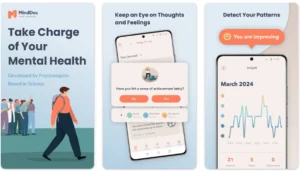
Mental health apps make it easier for people to get quick and professional help whenever they need it. These apps usually offer text, audio, or video chat options, so users can connect directly with a therapist or medical professional. This way, patients can receive the right support and guidance without delay.
Popular ideas in this category include virtual therapy apps, wellness apps, mental health tracking apps, and medical information apps. Each type plays an important role in making mental health care more accessible and less overwhelming.
Examples of Mental Health Apps
- Calm – Available on iOS and Android, Calm is known for meditation, sleep improvement, and stress management.
- Headspace – Available on iOS and Android, Headspace provides guided meditations and mindfulness practices.
- Talkspace – Available on iOS and Android, Talkspace connects users with licensed therapists for online therapy sessions.
Note: Before launching a mental health app, it’s important to ensure compliance with healthcare regulations. These rules protect patient rights, privacy, and safety, making sure your app is both effective and trustworthy.
2. Women’s Healthcare Apps
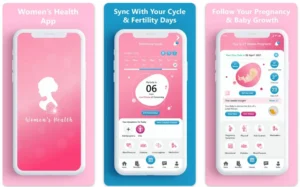
Women’s healthcare apps are designed to support health, wellness, and reproductive care. They cover a wide range of needs such as menstrual cycle tracking, fertility guidance, pregnancy monitoring, and wellness support.
Common features include reminders, alerts, and medically verified information, which help women stay informed and take better control of their health.
Examples of Women’s Healthcare Apps
- Apple Health (iOS) – Includes a cycle tracking feature to help monitor menstrual and fertility patterns.
- Clue (iOS & Android) – A popular app for tracking periods, ovulation, and reproductive health insights.
- Natural Cycles (iOS & Android) – FDA-cleared and designed for birth control and fertility tracking.
Insight: Women’s healthcare apps are gaining attention because they deliver meaningful results. In one study of 151 women, 57% reported being satisfied with telehealth services related to women’s health, showing growing trust and acceptance in this digital space.
3. Doctors-On-Demand Apps
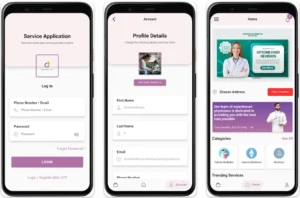
Doctors-on-demand apps give patients and caregivers quick access to a wide range of doctors from different specialties. Depending on the app, features can include text or audio chats with doctors, detailed doctor profiles, appointment booking, and fee information.
For example, Vosita, a doctor appointment booking platform, makes it simple for patients to schedule consultations both in-person and online. These apps offer a seamless experience for users while helping healthcare providers manage appointments efficiently.
Building a doctors-on-demand app requires professional mobile app development services. These apps need careful monitoring, quality assurance, and ongoing maintenance to remain reliable and secure.
Examples of Doctors-On-Demand Apps
- Doctors on Demand (iOS & Android) – Provides virtual doctor visits for a variety of medical concerns.
- Teladoc Health (iOS & Android) – Connects patients with licensed doctors 24/7 for telehealth services.
- HealthTap (iOS & Android) – Offers instant access to medical advice, appointment scheduling, and personalized care.
Tip: Telemedicine apps must follow strict health regulations, maintain high data security, and undergo continuous updates. Costs can vary depending on the features and services you include, so planning carefully is key.
4. Self-Test Apps
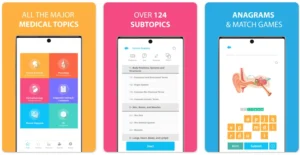
Modern smartphones can do so much more than calls and messages they can also help you monitor your health and track your vitals. Self-test apps let users check, track, and manage their body’s health status, making it easier to stay aware of potential issues before they become serious.
These apps are especially helpful for busy people who want to maintain good health, manage stress, and ensure proper nutrition to prevent fatigue or exhaustion. By providing quick health insights, they make daily wellness much more manageable.
Examples of Self-Test Apps
- Ada (iOS & Android) – Offers symptom checking and health assessments to help users understand their body’s condition.
- Aysa (iOS & Android) – Uses AI to provide insights and guidance based on user-reported symptoms.
- Human Dx (iOS & Android) – Helps users evaluate symptoms and provides medical guidance using advanced diagnostic tools.
Tip: Developing a self-test app with AI, VR, or machine learning features requires professional development and careful planning. In today’s fast-paced world, these apps are not only valuable to users but can also be a profitable business if implemented with the right strategy.
5. Medical Store Apps
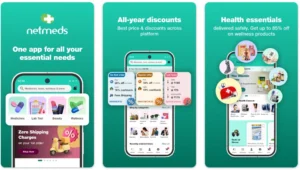
Medical store apps come in different types, each serving a unique purpose:
- Information Apps: These provide details about drugs, diseases, latest medical advancements, and news to keep users informed.
- Inventory & Store Management Apps: Designed for pharmacies and drugstores, these apps help manage stock, billing, and overall store operations more efficiently.
- Patient-Focused Apps: These platforms allow users to order medicines online, refill prescriptions, and renew their medications without visiting a pharmacy in person.
Examples of Medical Store Apps
- Epocrates (iOS & Android) – Offers drug references, interaction checks, and clinical guidance for healthcare professionals.
- Flowtrac (iOS & Android) – Helps manage pharmacy inventory and streamline operations.
- CVS (iOS & Android) – A patient-friendly app for ordering prescriptions, finding store locations, and checking health products.
Tip: If you have a medical app idea, consider patenting it to protect your rights and innovations. Learning how to patent your mobile app ensures that your concept stays legally secure.
Also Read: The Future of Augmented Reality in Healthcare.
6. Sleeping Apps
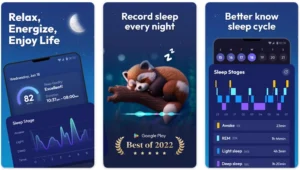
Sleeping apps are designed to help users track and improve their sleep habits. They monitor sleeping patterns, identify issues, and provide actionable data to enhance overall sleep health.
Many sleeping apps also use soothing sounds, music, or ASMR to help users fall asleep faster and enjoy deeper, more restful sleep. By guiding better sleep routines, these apps improve both physical and mental well-being.
Examples of Sleeping Apps
- BetterSleep (iOS & Android) – Offers sleep tracking, relaxing sounds, and bedtime routines to improve sleep quality.
- SleepScore (iOS & Android) – Provides personalized sleep insights and tips based on nightly sleep analysis.
- Slumber (iOS & Android) – Combines guided meditations, soundscapes, and stories to help users fall asleep naturally.
Insight: Sleep monitoring apps are growing in popularity thanks to their proven benefits. The global sleep monitoring app market is projected to reach USD 7.6 billion by 2028, making sleep-focused apps a promising area for innovation and business.
7. Emergency Assistance Apps
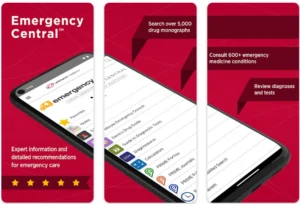
Emergency assistance apps are designed to help users prepare for, respond to, and manage urgent situations. They cover a variety of areas, including first aid guidance, weather alerts, pet care, and disaster preparedness. These apps give people the tools they need to protect themselves and their loved ones during emergencies.
Because they address essential, real-life needs, emergency assistance apps are highly popular and widely used across different audiences.
Examples of Emergency Assistance Apps
- First Aid (iOS & Android) – Offers step-by-step guidance for common medical emergencies.
- Weather Emergency (iOS & Android) – Provides timely alerts for storms, floods, and other severe weather events.
- Pet First Aid (iOS & Android) – Helps pet owners respond quickly to animal health emergencies.
Insight: The global emergency apps market is growing rapidly. Leading companies are collaborating to expand mobile access, integrate advanced technology, improve medical support, and increase user awareness, making emergency apps more effective and convenient than ever.
8. Record-Keeping Apps
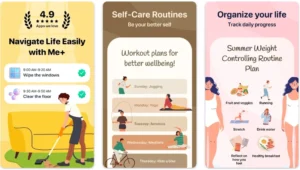
Record-keeping apps make it easier for clinics, hospital staff, nurses, doctors, and patients to store and access medical information quickly. They help manage medical documents, personal health data, and appointments, ensuring everything is organized and available when needed.
When designing a record-keeping app, it’s important to focus on simple functionality, user-friendly design, and secure data management. These factors make the app more effective and engaging for both healthcare professionals and patients.
Examples of Record-Keeping Apps
- SimplePractice (iOS & Android) – Offers features for both clinicians and clients, helping manage health records, appointments, and billing.
- ClinicSense (iOS & Android) – Streamlines clinic operations and simplifies record management.
- MediTab (iOS & Android) – Provides secure storage and easy access to patient health information.
Tip: Medical record management is a highly sensitive area. If you plan to build a record-keeping app, make sure you understand its challenges, best practices, and security requirements to protect patient privacy and comply with healthcare regulations.
9. Diet Tracking and Planning Apps
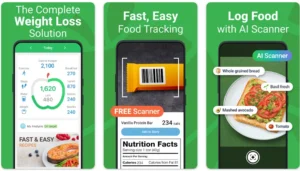
Diet tracking and planning apps help users monitor their nutritional intake and maintain healthy eating habits. Many of these apps also include meal planning, recipe suggestions, allergy tracking, and food information to make nutrition management easier and more personalized.
With the rising focus on health and fitness, these apps are in high demand. To stand out, it’s important to understand your audience and develop strategies that address their specific needs.
Examples of Diet Tracking and Planning Apps
- YouAte (iOS & Android) – Helps users track meals and improve mindful eating habits.
- MyFitnessPal (iOS & Android) – Tracks calories, nutrients, and exercise to support fitness goals.
- Yummly (iOS & Android) – Offers personalized recipe recommendations and meal planning tools.
Tip: If you’re creating a fitness or diet app, consider integrating features like nutrition tracking, workout guidance, and personal coaching. This not only increases engagement but also makes your app a comprehensive health solution.
10. Doctor’s Training Apps
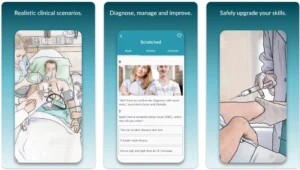
Medical professionals need to stay updated and continually improve their skills to provide the best care. Doctor’s training apps help doctors, clinicians, and pharmacists keep learning by offering training tools, clinical studies, drug information, and the latest medical news. These resources make it easier for healthcare providers to stay current and enhance their expertise.
Some apps also use AR and VR technologies to provide interactive and practical training experiences, improving learning outcomes and skill development.
Examples of Doctor’s Training Apps
- MedCalX (iOS) – Provides calculators and tools for medical professionals to support training and clinical decision-making.
- Prognosis (iOS & Android) – Offers interactive case simulations to help medical practitioners improve diagnostic skills.
- Drugs.com (iOS & Android) – Gives up-to-date drug information and resources for continued professional learning.
Insight: With AR and VR technologies revolutionizing healthcare education, doctor training apps are becoming an essential tool for continuous learning and professional growth in the medical field.
11. Reminder Apps
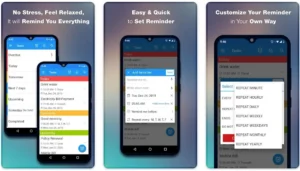
Reminder apps play a crucial role in healthcare by helping users stay on track with medications, appointments, and other health-related tasks. These apps support both patients and caregivers, making it easier to manage medications, monitor vitals like blood pressure, and track overall health.
By sending timely alerts and notifications, reminder apps reduce the risk of missed doses or appointments, improving health outcomes and daily wellness.
Examples of Reminder Apps
- MediSafe (iOS & Android) – Sends personalized medication reminders and tracks adherence.
- DoseCast (iOS & Android) – Helps users manage multiple prescriptions with alerts and schedules.
- EveryDose (iOS & Android) – Provides reminders and tracking tools for medications and supplements.
Tip: To build a successful medical reminder app, research your competition and target audience carefully. Understanding user needs helps you create better engagement strategies and increases your app’s chances of ranking among the top medication trackers.
12. Virtual Reality Apps
Virtual Reality (VR) devices like Apple Vision Pro and Meta Quest are transforming the healthcare industry. Many students and healthcare practitioners don’t have easy access to hands-on surgical practice or advanced training. VR healthcare apps help fill this gap by offering immersive, interactive learning experiences.
These apps are not only useful for medical training and education but also help improve counseling skills, surgical techniques, and patient care simulations. By bringing advanced technology into healthcare, VR apps make learning more engaging, practical, and effective.
Examples of Virtual Reality Apps
- Osso Health (iOS) – Offers immersive VR surgical training to improve skills and efficiency.
- Amelia Virtual Care (iOS & Android) – Provides virtual care simulations and training scenarios.
- Siemens Healthineers Cinematic Reality (iOS) – Uses VR to enhance medical education and clinical practice.
Insight: VR apps in healthcare create hands-on experiences without real-world risks, making them highly valuable for training, education, and skill development.
13. Exercise Apps
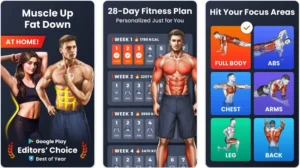
Exercise apps help users access workouts ranging from beginner to advanced levels. They are designed for gym-goers, cardio enthusiasts, bikers, and general fitness lovers, making it easier to follow structured routines anytime, anywhere.
These apps are becoming the go-to solution for modern fitness, and there’s still plenty of market potential for innovative ideas that combine workouts, tracking, and personalized guidance.
Examples of Exercise Apps
- Peloton (iOS & Android) – Offers guided cycling, running, and strength training sessions with interactive features.
- Nike Training Club (iOS & Android) – Provides a variety of workouts, training programs, and fitness plans for all levels.
- Apple Fitness+ (iOS) – Integrates with Apple devices to offer personalized workouts and progress tracking.
Insight: The fitness and exercise app market is growing fast. Straits Research predicts it will surpass USD 5 billion by 2030, making this an exciting space for app developers to explore trends and create innovative fitness solutions.
14. Monitoring Apps
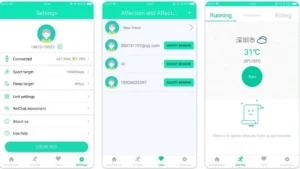
Monitoring apps focus on remote patient care, allowing doctors, caregivers, and patients to track and manage health efficiently. These apps help keep vital signs, medications, and overall health status under control, ensuring timely interventions when needed.
Common features include alarm systems, emergency assistance, real-time chat, and health information tracking, making it easier to maintain consistent care and respond quickly to any health concerns.
Examples of Monitoring Apps
- Healee (iOS & Android) – Offers remote consultations, symptom tracking, and health monitoring tools.
- HumHealth (iOS & Android) – Helps patients and caregivers track vitals, appointments, and medications.
- EVisit (iOS & Android) – Provides telehealth solutions and continuous patient monitoring for healthcare providers.
Insight: Health monitoring apps play a crucial role in daily wellness. They allow users to track blood pressure, sugar levels, BMI, and medication schedules, helping people stay proactive about their health while providing caregivers and doctors with reliable real-time information.
15. Informational Apps
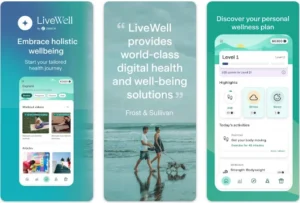
Healthcare informational apps are designed for both professionals and the general public. They provide easy access to medical knowledge, healthcare news, drug details, and disease information, helping users make informed decisions about health and wellness.
Some of these apps also include patient and appointment management features, allowing users to organize medical records and track healthcare activities. In urgent situations, users can quickly look up information on drugs, diseases, side effects, or treatment options, making these apps an essential resource for everyday health management.
Examples of Informational Apps
- Lybrate (iOS & Android) – Connects users with doctors and provides healthcare guidance and advice.
- OnPage (iOS & Android) – Offers secure communication and alerting solutions for medical teams.
- MedScape (iOS & Android) – Provides up-to-date medical news, clinical information, and reference tools for healthcare professionals.
Insight: Informational apps help doctors, pharmacists, and healthcare enthusiasts stay updated with the latest news and medical advancements. Understanding how to leverage these resources can turn healthcare app ideas into practical, high-impact applications.
16. Eldercare Apps
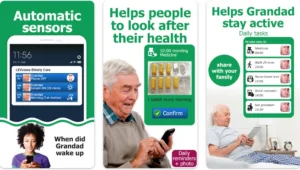
Eldercare apps are designed to support older adults and their caregivers, whether at home or in healthcare facilities. These apps make daily life easier and safer for seniors by providing tools to manage medications, schedule appointments, track health information, and access emergency contacts.
You can also design eldercare apps to connect families with reliable caregivers, or help caregivers find flexible work opportunities, creating a practical platform for both sides.
Examples of Eldercare Apps
- MindMate (iOS & Android) – Offers cognitive exercises, health tracking, and daily activity support for seniors.
- Life360 (iOS & Android) – Helps families stay connected and informed about their loved ones’ location and safety.
- MediSafe (iOS & Android) – Provides medication reminders and health management tools suitable for elderly users.
Insight: Eldercare apps not only improve quality of life for seniors but also make caregiving more efficient and organized, creating significant value for families and healthcare providers alike.
17. Childcare Apps
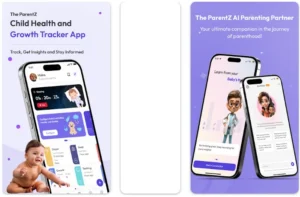
Children’s playful and curious nature makes them more prone to accidents and health issues. Childcare apps help families and caretakers manage children’s health and safety more effectively. You can also design apps for childcare centers to assist staff in supervising children and ensuring a safe environment. Another option is an activity-based app that supports learning and development through puzzles, games, and interactive exercises.
These apps often include monitoring tools, remote assistance, reminders, emergency contacts, and more, aiming to make childcare easier, safer, and more organized for parents and caregivers.
Examples of Childcare Apps
- Procare (iOS & Android) – Helps childcare centers and parents manage schedules, attendance, and child activities.
- Story Park (iOS & Android) – Supports child learning and development with activity tracking and communication tools.
- Lotsa Helping Hands (iOS & Android) – Assists families and caregivers in coordinating support and care activities.
Insight: In the U.S., there are approximately 675,000 childcare centers and businesses, showing a large market potential. Properly designed childcare apps not only enhance a child’s mental, physical, and social growth but can also be a profitable venture when executed well.
18. Hospital Apps
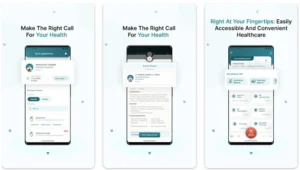
Hospital apps help staff and management handle both on-site and off-site operations efficiently. They can manage patient monitoring, medication administration, cancer care, record keeping, and general hospital workflow, making daily tasks smoother for healthcare teams.
Many hospital apps now use AI and machine learning to automate repetitive tasks, streamline operations, and free up medical staff to focus on providing better patient care. These tools not only improve efficiency but also enhance overall patient outcomes.
Examples of Hospital Apps
- AirStrip (iOS & Android) – Supports real-time patient monitoring and clinical collaboration for hospital staff.
- Outcomes4Me (iOS & Android) – Helps manage cancer care and track patient treatment plans.
- MyChart (iOS & Android) – Provides patient records, appointment scheduling, and secure communication between staff and patients.
Insight: The global hospital management solutions market is projected to grow at a CAGR of over 17.5%, reaching US $20 billion by 2032. This growth highlights the increasing adoption of hospital apps and the potential for innovative solutions to make hospital operations even more efficient.
19. Health Condition Checker Apps
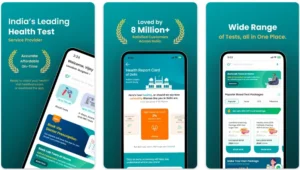
Health condition checker apps help patients, doctors, caregivers, and families monitor health by offering symptom checking, activity tracking, and general health guidance. These apps allow users to quickly understand potential health issues and take timely action.
Many apps integrate AI and machine learning to provide features like voice dictation, reminders, alerts, and other accessibility tools, making health monitoring easier and more interactive.
Examples of Health Condition Checker Apps
- Symptomate (iOS & Android) – Offers symptom assessment and health guidance based on user input.
- Ada (iOS & Android) – Uses AI to provide personalized health insights and recommendations.
- WebMD (iOS & Android) – Provides comprehensive health information, symptom checking, and care guidance.
Insight: The global self-testing technologies market was valued at $15 billion in 2023 and is expected to reach $27 billion by 2032, growing at a CAGR of around 6.7%. This shows a strong demand for apps that help users monitor their health efficiently.
20. Disease Management Apps
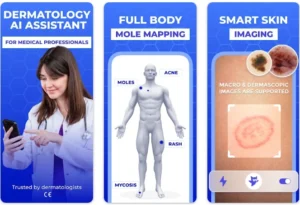
Disease management apps help individuals take care of their own health or the health of loved ones. They often include features like vitals tracking, symptom checking, medication management, and fitness monitoring, making it easier to stay on top of chronic conditions or health goals.
With growing health awareness, these apps allow users to manage their well-being efficiently and proactively. Investing in professional app development can make your disease management app more effective, reliable, and user-friendly.
Examples of Disease Management Apps
- My mHealth (iOS & Android) – Offers tools for managing chronic conditions and tracking daily health metrics.
- PainScale (iOS) – Helps users monitor and manage pain conditions through personalized tracking and guidance.
- Bearable (iOS & Android) – Tracks symptoms, medications, and lifestyle factors to improve overall health management.
Insight: Coronary artery disease (CAD) is the leading cause of death globally. With proper monitoring and management, disease management apps empower users to take control of their health, offering convenient and efficient support at every step.
How Can MMC Global Help You With Your Healthcare App Idea?
Thinking about developing a healthcare app? Turning your idea into a successful, functional application requires a skilled team with expertise in app development, healthcare compliance, and user experience design. The team size depends on your project’s scope and complexity, but a reliable partner like MMC Global ensures your project is completed on time and with maximum quality. With our healthcare app development services, we help you transform innovative ideas into secure, scalable, and user-friendly digital solutions. Here’s how we can help:
➔ Effective Project Management
MMC Global begins by understanding your vision and conducting market research and competitor analysis. The project manager sets smart goals, creates schedules, manages resources, and minimizes risks. The team then collaborates efficiently to build a comprehensive wireframe, ensuring the app aligns with your objectives.
➔ Creative UI/UX Designs
The UI/UX team focuses on creating a seamless and engaging user experience. UX experts ensure smooth usability, while UI designers focus on the app’s look and feel. Together, they craft an interface that is both functional and visually appealing.
➔ Seamless Mobile App Development
MMC Global’s developers specialize in iOS, Android, hybrid, and cross-platform apps using technologies like React Native and Flutter. Backend developers handle server-side performance, databases, and integration, ensuring your app runs efficiently and reliably.
➔ Strict QA and Testing
After development, the QA team rigorously tests the app for bugs, glitches, and user experience issues. Any problems are addressed in collaboration with the development team to ensure a smooth and reliable app.
➔ Efficient DevOps Engineers
Once QA clears the app, DevOps engineers handle deployment, maintenance, and updates, ensuring the app remains functional, secure, and downtime-free.
➔ Robust Security Assessment
Finally, the security team ensures your app complies with healthcare regulations, protecting users’ privacy with encryption, secure protocols, and access control to prevent breaches or unauthorized access.
Final Thoughts
The healthcare app industry is digitizing rapidly, with technological advancements reshaping how healthcare is delivered. Over the years, innovative healthcare app ideas and trends have emerged to support healthcare workers, patients, and families, making healthcare more convenient, efficient, and accessible. With the rise of AI in healthcare, apps are becoming smarter, offering predictive analytics, personalized treatment plans, and enhanced decision-making to improve overall care delivery.
Also Read: Health Insurance Application Development – Major Features + Cost Of Development
Despite the progress, there is still plenty of potential and audience for new apps. All it takes is the right idea, strategic planning, and expert execution to make a meaningful impact in this growing market.
Frequently Asked Questions
Here are answers to some commonly asked questions about healthcare app development:
Q. What are some of the latest news and trends in healthcare app development?
Some of the latest trends shaping the healthcare app industry include:
- Wearable medical devices and apps
- Telemedicine applications
- Doctors-on-Demand platforms
- Remote care and monitoring apps
- Eldercare and childcare apps
- AI in digital healthcare and medicine
- Hospital management apps
- Women’s health and wellness apps
- Healthcare information apps
- Diet tracking and planning apps
- Mental health apps
- Self-care apps
These trends are driving innovation and success in healthcare app development.
Q. What compliance standards are important for healthcare apps?
Healthcare apps must follow several compliance standards to ensure user safety, privacy, and trust:
- HIPAA (Health Insurance Portability and Accountability Act): Protects individual health information in the U.S.
- HITECH (Health Information Technology for Economic & Clinical Health Act): Promotes proper use and adoption of health information technology.
- GDPR (General Data Protection Regulation): Ensures user consent, data security, and transparency in data processing.
- FTC (Federal Trade Commission): Upholds antitrust laws to prevent unfair practices in healthcare.
- MDR (Medical Device Regulation): Oversees medical device safety, quality, and efficiency.
- FDA (Food and Drug Administration): Governs development, safety, and marketing of pharmaceuticals, biologics, and medical devices.
Q. What are some AI implications in healthcare app development?
The generative AI market in healthcare is projected to surpass $11 billion by 2030. AI and ML are transforming healthcare in multiple ways:
- Better Diagnostics: Quickly analyze data to generate reliable diagnostic reports.
- Personalized Plans: Provide tailored treatment, diet, or fitness recommendations based on individual data.
- Predictive Analysis: Forecast outcomes, identify risks, and optimize resource use for better patient care.
- Streamlined Processes: Automate documentation, management, and hospital workflows to reduce staff workload.
Q. How long does healthcare app development take?
Development time depends on app complexity:
- Simple Healthcare App: 3–6 months
- Intermediate Healthcare App: 6–9 months
- Advanced Healthcare App: 9–18 months
You can consult MMC Global experts to get a tailored timeline based on your requirements.
Q. How much does it cost to develop healthcare apps?
Costs vary depending on app type, complexity, and features. On average:
- Basic healthcare apps: $20,000–$50,000
- Telemedicine apps: $100,000–$500,000
- Complex apps with AI, IoT, or advanced integrations: $500,000+
Key factors affecting cost include:
- App complexity and functionality
- UI/UX design and features
- Mobile platforms (iOS, Android, or cross-platform)
- App model and working mechanisms
- Development team expertise
- Compliance with regulations
- Integration with IoT and advanced technologies