
Running a restaurant comes with many challenges, and protecting your revenue is one of the most important. While external threats like fraud and chargebacks can impact profits, internal theft by employees is often one of the biggest causes of preventable losses in restaurants.
Many restaurant owners don’t realize they have a problem until cash shortages, unusual refunds, excessive discounts, or inventory issues start affecting their bottom line. The good news is that your restaurant’s POS system can provide valuable insights into employee activity and help identify potential issues before they become costly.
By reviewing POS data regularly, restaurant owners can spot suspicious transaction patterns, monitor employee behavior, and strengthen their overall loss prevention strategy. In this guide, we’ll explain how POS data can help reduce internal theft, the warning signs to watch for, and the best practices for protecting your restaurant’s revenue.
Understanding Internal Theft in Restaurants
Internal theft is one of the most common causes of revenue loss in restaurants. It occurs when employees intentionally misuse company resources, cash, inventory, or restaurant systems for personal gain. While most employees are honest, even a few incidents of theft can significantly impact a restaurant’s profitability over time.
Restaurant employee theft can take many forms, including cash theft, unauthorized discounts, fake refunds, excessive voids, time theft, and inventory theft. Because these activities often happen during daily operations, they can be difficult to detect without proper monitoring and reporting systems in place.
For restaurant owners and managers, the challenge is that internal theft does not always involve large amounts of money. Small losses spread across multiple transactions can add up quickly and go unnoticed for months. This is why having clear loss prevention procedures and regularly reviewing POS data is essential.
Modern POS systems provide detailed records of employee transactions, making it easier to identify unusual activity and investigate potential issues. By understanding how internal theft occurs, restaurant owners can take proactive steps to reduce risk, improve accountability, and protect their revenue.
Why Restaurant Loss Prevention Matters More Than Ever
Restaurant loss prevention has become more important than ever because operating costs in the U.S. food industry continue to rise. From food prices and labor costs to rent and utilities, profit margins are already tight. Even small losses from internal theft or operational mistakes can directly impact overall profitability.
Today’s restaurants also operate in a fast-paced, high-volume environment where employees handle hundreds of transactions daily. Without proper monitoring, issues like unauthorized discounts, refund abuse, void manipulation, or cash handling errors can easily go unnoticed.
At the same time, modern POS systems like Toast POS provide detailed data that restaurant owners can use to track employee activity and identify suspicious patterns. This makes it easier than ever to detect problems early, but only if the data is reviewed regularly and correctly.
In addition, competition in the restaurant industry has increased significantly. Businesses that fail to control losses often struggle to stay profitable or scale. Strong loss prevention practices not only protect revenue but also improve accountability, transparency, and overall operational control.
For restaurant owners and managers, focusing on loss prevention is no longer optional, it is a key part of running a sustainable and profitable business.
How POS Data Helps Detect Employee Theft
POS data plays a key role in helping restaurant owners detect potential employee theft and suspicious activity. Every transaction recorded in a POS system creates a digital trail, which makes it easier to track what employees are doing during their shifts.
Modern systems like Toast POS solutions by MMC Global provide deep insights into employee activity and transaction tracking.
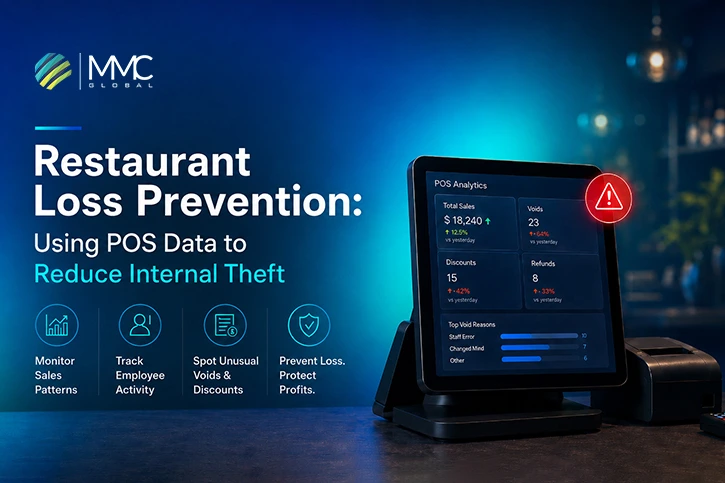
By analyzing this data, restaurant owners can identify unusual patterns that may indicate fraud or misuse. For example, repeated voided transactions, excessive refunds, or frequent manual discounts can be warning signs that require closer review.
POS systems also help track cash handling activity. If there are consistent differences between expected sales and actual cash in the drawer, it may point to cash theft or reporting errors. These discrepancies become easier to spot when POS reports are reviewed regularly.
Another important benefit of POS data is employee-level tracking. It allows owners to compare performance across staff members and identify outliers whose behavior is different from the rest of the team. This helps highlight activity that may not be immediately visible during day-to-day operations.
A deeper breakdown of employee fraud patterns in Toast POS is explained in our Toast POS audit guide.
Voids and Deleted Transactions
Voids and deleted transactions are one of the most common red flags in restaurant POS systems. While voids can be normal in case of order mistakes, frequent or late-stage voids may indicate suspicious behavior. Employees may cancel orders after receiving cash payments or remove items to adjust totals improperly. Monitoring who performs voids, when they happen, and how often they occur is essential for spotting potential misuse.
Refund and Return Activity
Refunds and returns should always follow a clear approval process. Unusual refund patterns, especially multiple refunds by the same employee or refunds without proper documentation, can signal potential fraud. In many cases, employees may process fake refunds to cover up stolen cash or void real sales after the transaction is completed.
Unauthorized Discounts
Unauthorized or excessive discounts can directly reduce restaurant revenue. Employees may apply discounts without approval or use them to manipulate totals for personal benefit. Tracking discount frequency by employee helps identify whether discounts are being used correctly or abused.
Cash Drawer Discrepancies
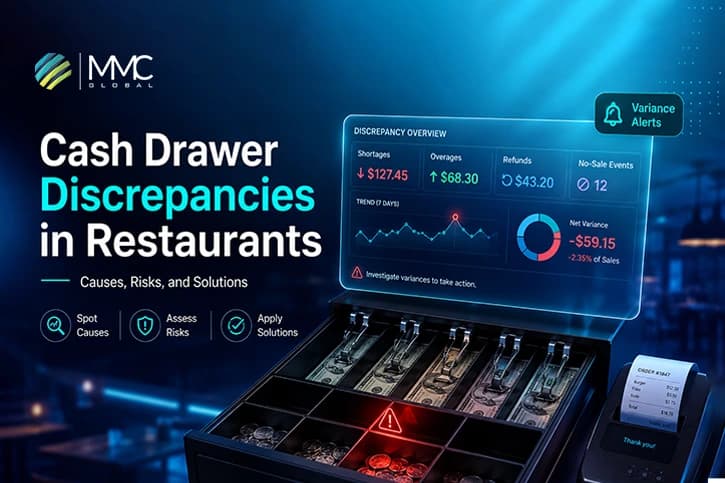
Cash drawer discrepancies occur when the expected cash total does not match the actual cash on hand. While small errors can happen, repeated shortages or overages linked to specific employees may indicate cash handling issues or theft. Regular reconciliation is key to identifying patterns early.
Receipt Reprints and No-Sale Transactions
Frequent receipt reprints or no-sale drawer openings can also be warning signs. Receipt reprints may be used to cover up transaction manipulation, while unnecessary no-sale actions may indicate attempts to access the cash drawer without a valid sale. Monitoring these actions helps ensure proper cash control and transparency.
Key POS Reports Every Restaurant Owner Should Monitor
POS reports are one of the most powerful tools restaurant owners can use to control operations and prevent losses. When reviewed regularly, these reports give clear visibility into employee activity, cash flow, and transaction patterns across the restaurant.
One of the most important reports is the employee activity report, which shows how each staff member is performing during their shifts. It helps owners compare behavior and identify unusual patterns such as excessive voids, refunds, or discounts from specific employees.
Cash management reports are also critical because they track cash drawer openings, closings, and any discrepancies. These reports make it easier to detect cash shortages or overages and link them to specific shifts or employees.
Audit log reports provide a detailed record of all system actions, including voids, refunds, discounts, and permission changes. This helps restaurant owners understand exactly what changes were made in the system and when they occurred.
Finally, exception reports highlight unusual or high-risk transactions that may require further review. These reports are especially useful for spotting fraud patterns early and taking corrective action before losses increase.
By consistently monitoring these key POS reports, restaurant owners can improve accountability, reduce internal theft risks, and maintain better control over daily operations.
Employee Activity Reports
Employee activity reports show a clear breakdown of each staff member’s transactions, including sales, voids, refunds, and discounts. These reports help restaurant owners compare employee performance and quickly identify unusual behavior that may need further review. If one employee consistently shows higher voids or discounts than others, it can be a sign of potential misuse or training issues.
Audit Log Reports
Audit log reports provide a complete history of system actions within the POS. This includes every change made to orders, payments, discounts, and permissions. For restaurant owners, this report is essential for understanding who made specific changes and when, helping to detect unauthorized actions or suspicious system activity.
Cash Management Reports
Cash management reports track all cash movements within the restaurant, including drawer openings, closings, deposits, and shortages. These reports help identify discrepancies between expected and actual cash amounts, making it easier to detect cash handling issues or potential theft.
Exception Reports
Exception reports highlight unusual or high-risk transactions that fall outside normal patterns. This can include excessive refunds, repeated voids, or irregular discount usage. By reviewing these exceptions regularly, restaurant owners can quickly spot problems and take action before they lead to significant losses.
Warning Signs of Suspicious Employee Activity
In most restaurants, employee theft does not happen in obvious ways. It usually shows up through small patterns in daily transactions that slowly affect revenue over time. Restaurant owners and managers need to pay close attention to these warning signs inside their POS system.
One of the most common signs is repeated voids, refunds, or discounts from the same employee. While these actions can be normal in some situations, a consistent pattern may indicate misuse of the system.
Another warning sign is cash drawer inconsistencies. If certain employees frequently show shortages at the end of their shifts, it may point to cash handling issues or potential theft.
Unusual timing of transactions is also important. Activities like late-night refunds, end-of-shift adjustments, or frequent no-sale drawer openings can be red flags that need closer review.
Finally, behavior that stands out compared to other staff members should always be reviewed. When one employee’s transaction patterns are significantly different from the rest of the team, it may require further investigation.
By identifying these warning signs early through POS data, restaurant owners can prevent small issues from turning into major financial losses.
Best Practices for Reducing Internal Theft Using POS Data
Reducing internal theft in restaurants requires more than just reviewing reports occasionally. It requires a consistent system of monitoring, controls, and accountability built around POS data.
One of the most effective practices is setting clear POS permissions for each employee. By limiting access to sensitive functions like refunds, voids, and discounts, restaurant owners can reduce the risk of misuse and ensure only authorized staff can make high-risk changes.
Regular POS audits are also essential. Reviewing transaction data weekly or monthly helps identify unusual patterns early, instead of waiting until losses become significant. Consistent auditing builds transparency and discourages dishonest behavior.
Another important practice is requiring management approval for high-risk transactions. Actions like large discounts, refunds, or voids should always go through a supervisor to ensure proper control and documentation.
Employee training also plays a key role. When staff understand company policies, expectations, and consequences of misuse, they are more likely to follow proper procedures and handle transactions responsibly.
Finally, using POS reports as part of daily or weekly management routines helps restaurant owners stay proactive. Instead of reacting to problems after they occur, owners can identify issues early and maintain better control over operations.
Implement Role-Based Permissions
Role-based permissions help restaurant owners control what each employee can access inside the POS system. By limiting access to sensitive actions like refunds, voids, discounts, and cash drawer operations, you reduce the chances of misuse and internal theft. Only trusted managers should have access to high-risk functions.
Conduct Regular POS Audits
Regular POS audits are essential for identifying suspicious activity early. Reviewing transaction reports weekly or monthly helps spot unusual patterns such as repeated voids, refunds, or cash shortages. Consistent auditing also builds accountability among staff because employees know their activity is being monitored.
Require Management Approval for High-Risk Transactions
High-risk actions such as large discounts, refunds, and voids should always require manager approval. This adds an extra layer of control and ensures that no transaction is modified without oversight. It also helps create a clear approval trail in the POS system for future review.
Train Employees on Accountability Procedures
Employee training is a key part of preventing internal theft. When staff understand company policies, POS rules, and the importance of accurate transactions, they are less likely to make mistakes or misuse the system. Clear training also helps create a culture of responsibility and transparency in the restaurant.
How Professional POS Audits Help Uncover Hidden Revenue Loss
Professional POS audits go beyond basic daily reporting and help restaurant owners uncover revenue loss that is often hidden in normal operations. Many restaurants experience small leaks in revenue every day through employee actions, system misuse, or operational gaps that are not easy to detect without deep analysis.
A professional POS audit carefully reviews transaction data, employee behavior, and system activity to identify patterns that may indicate fraud, errors, or inefficiencies. This includes analyzing voids, refunds, discounts, cash discrepancies, and unusual transaction timing across different shifts and employees.
One of the key benefits of professional audits is pattern recognition over time. While individual transactions may look normal, a detailed audit can reveal repeated behaviors that point to intentional or accidental revenue loss. These insights are often missed in standard daily or weekly reviews.
Professional audits also help improve operational control. By identifying weak points in POS usage and employee permissions, restaurant owners can strengthen their systems and reduce future risks. This leads to better accountability and more consistent financial performance.
Overall, professional POS audits provide a deeper level of visibility into restaurant operations, helping owners uncover hidden losses and protect long-term profitability.
Identifying Patterns That Are Easy to Miss
Many revenue losses in restaurants do not come from single large incidents but from small, repeated patterns over time. Professional POS audits help identify these subtle trends, such as consistent voids during specific shifts, repeated discount usage by certain employees, or unusual refund timing. These patterns are often overlooked in daily reviews but become clear when data is analyzed over weeks or months.
Documenting Evidence for Internal Investigations
When suspicious activity is detected, proper documentation is essential. POS audits help create a clear record of transactions, employee actions, and system changes. This evidence is important for internal investigations and helps restaurant owners make informed decisions based on facts rather than assumptions. Well-documented reports also support fairness and transparency during the review process.
Improving Operational Controls and Compliance
Professional POS audits also highlight weaknesses in restaurant operations and control systems. This includes gaps in employee permissions, lack of approval workflows, or inconsistent cash handling procedures. By addressing these issues, restaurant owners can improve compliance, reduce risk, and create stronger operational controls that protect long-term revenue.
When to Seek Expert Help for Restaurant Loss Prevention
Restaurant owners should consider seeking expert help when internal monitoring and basic POS reviews are no longer enough to identify or control revenue loss. In many cases, small issues can grow into larger financial problems if they are not properly investigated and addressed in time.
If a restaurant is experiencing repeated cash shortages, unexplained POS discrepancies, or ongoing patterns of suspicious employee activity, it may be a sign that deeper analysis is needed. These situations often require more advanced review methods than standard reporting tools can provide.
Expert loss prevention professionals can conduct detailed POS audits, analyze employee behavior patterns, and identify issues that are not visible through regular management oversight. They also help restaurant owners understand whether problems are due to system misuse, policy gaps, or potential fraud.
In addition, businesses with multiple locations or high transaction volume often benefit from expert support because manual monitoring becomes difficult at scale. Professional guidance helps ensure consistency across all locations and improves overall control.
Seeking expert help at the right time allows restaurant owners to act quickly, reduce financial losses, and strengthen their internal control systems before issues escalate further.
How Our Restaurant POS Audit Services Can Help Protect Your Revenue
Our restaurant POS audit services are designed to help owners and managers identify hidden revenue loss, detect suspicious employee activity, and improve overall financial control. We focus on turning your POS data into clear, actionable insights that help you make better business decisions.
We conduct a detailed review of your POS transactions, including voids, refunds, discounts, and cash drawer activity. This helps uncover patterns that may indicate employee theft, system misuse, or operational errors that are affecting your profitability.
Our team also analyzes employee-level behavior to identify inconsistencies across shifts and locations. By comparing activity patterns, we help you understand where losses are happening and which areas need immediate attention.
In addition to detection, we provide practical recommendations to strengthen your internal controls. This includes improving POS permissions, refining approval workflows, and optimizing reporting practices to reduce future risks.
With our POS audit services, restaurant owners gain a clearer view of their operations and the confidence that their revenue is being properly protected through data-driven oversight.
Comprehensive Transaction Analysis
We perform a detailed review of all POS transactions to identify unusual activity, inconsistencies, and potential revenue leaks. This includes analyzing voids, refunds, discounts, and cash movements to ensure every transaction is properly recorded and justified.
Employee Activity Reviews
Our audit process includes a focused review of employee behavior across shifts and locations. We compare transaction patterns between staff members to detect unusual activity, such as repeated overrides, high refund rates, or irregular cash handling.
Customized Loss Prevention Recommendations
Based on audit findings, we provide tailored recommendations to improve your restaurant’s internal controls. This may include adjusting POS permissions, improving approval workflows, and strengthening policies to reduce the risk of future losses.
Detailed Audit Reports for Restaurant Owners
We deliver clear and structured audit reports that highlight key findings, risk areas, and actionable insights. These reports are designed to help restaurant owners quickly understand issues and make informed decisions to protect revenue and improve operations.
Get a Professional POS Audit for Your Restaurant
If you’re noticing cash shortages, unusual POS activity, or unexplained revenue loss in your restaurant, it may be time to take a closer look at what’s really happening behind the scenes. Small issues in daily transactions can quickly turn into bigger financial problems if they are not identified and addressed early.
Our MMC Global POS audit service helps restaurant owners uncover hidden losses, detect suspicious employee activity, and improve overall control of their operations. We break down your POS data into clear insights so you can understand exactly where your revenue is going.
Whether you run a single location or multiple restaurants, our Get a Professional POS Audit for Your Restaurant service is designed to give you clarity, accountability, and actionable steps to protect your business. From transaction analysis to employee behavior reviews, we help you take control of your POS system with confidence.
If you’re ready to strengthen your restaurant’s financial security, a professional POS audit from MMC Global is the first step toward reducing risk and improving profitability.
Conclusion
Restaurant loss prevention is not just about stopping theft, it’s about building better control, transparency, and accountability across your entire operation. With rising costs and tight margins in the U.S. restaurant industry, even small losses from internal activity can have a major impact on profitability.
Using POS data effectively allows restaurant owners to see what is really happening inside their business. From tracking employee behavior to identifying unusual transaction patterns, POS reports provide the visibility needed to detect issues early and take action before they grow.
By combining regular POS audits, strong internal controls, and clear employee policies, restaurant owners can significantly reduce the risk of internal theft and improve overall performance. The goal is not only to prevent losses but also to create a more efficient and trustworthy operation.
With the right systems and oversight in place, restaurants can protect their revenue, strengthen accountability, and build a more stable and profitable business for the long term.