
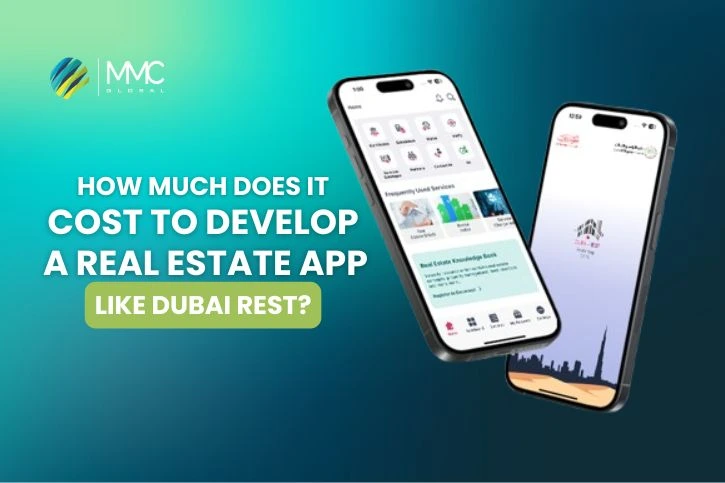
The real estate industry has been transforming quickly in 2025, and this change is expected to grow even more in 2026. Smart mobile apps are now at the center of this transformation. In fast-growing markets like the UAE, real estate apps are replacing old property-buying and selling methods. People can now search for land, verify ownership, sign contracts, and complete transactions digitally without long paperwork or multiple office visits.
One major example of this shift is the Dubai REST app, the official real estate application of the Dubai Land Department (DLD). It has become a global PropTech standard by offering end-to-end digital services. From property valuation to smart contract signing, Dubai REST allows users to manage everything from a smartphone in just a few taps. Its success has encouraged businesses, investors, and startups to explore similar models to support both public and private real estate sectors.
The demand for such apps continues to rise because Dubai’s real estate prices grew by 27.5% and property transactions reached 169,900 in 2024. With the market expected to expand further in 2025 and 2026, the need for advanced digital property solutions is stronger than ever.
If you are planning to develop a real estate app like Dubai REST, this guide covers everything you need. From must-have features to development strategy and cost estimates, you will learn what it takes to build a high-performing real estate app for 2025 and 2026.
Understanding Dubai REST – A Pioneer in Real Estate Apps
Dubai REST, also known as Real Estate Self Transaction, is a modern real estate platform created to support Dubai’s move toward a paperless, fully digital government. Launched in 2018 under the Dubai vision for smart services, the app helps property buyers, sellers, tenants, and brokers complete real estate tasks anytime without needing to visit physical offices. It is part of the Dubai 10x program, an initiative designed to push government departments to adopt the latest technologies and stay ahead of global digital trends.
The platform is directly connected with the Dubai Land Department, ensuring that all services and transactions follow official rules and are safely managed.
Dubai REST serves a wide range of users, including property owners, renters, real estate agents, and even international investors who want to manage their Dubai properties remotely. With support for both English and Arabic, along with strong government integrations, the app has quickly become one of the most trusted digital solutions for property-related needs within the emirate.
Over the past few years, the app has played a major role in reducing in-person visits to DLD offices by moving key real estate processes online. Whether someone needs to register a lease, check ownership details, verify a title deed, or manage property documents, Dubai REST allows them to complete these tasks securely from their smartphone.
Core Value Proposition of an App Like Dubai REST
The main value of apps like Dubai REST is how they simplify complex property processes while still following strict rules and ensuring accurate data. Every feature is designed to make the experience faster, safer, and easy for all types of users, including those who are not very familiar with technology.
A major strength is the user-centered design. These apps keep the layout simple and clear so users can move through tasks step by step. Whether it’s completing an Ejari registration or checking a property document, most actions can be done in just a few taps. This reduces confusion and removes the need for long office visits.
Another reason these apps stand out is their fully digital service model, which includes:
- Digitized title deeds, allowing users to view and manage ownership documents anytime.
- Real-time ownership verification using secure data from the Dubai Land Department.
- Property valuation requests submitted directly to government systems.
- Smart leasing services to register or cancel rental agreements without a broker.
- Mortgage registration and clearance features that connect with financial institutions for quick processing.
In addition, the app is connected with UAE Pass, which lets users confirm their identity digitally. This makes logins and approvals smoother, safer, and more convenient.
Market Trends in Dubai Real Estate Apps
Dubai’s real estate market has been rapidly adopting digital solutions, especially after the COVID-19 pandemic highlighted the need for remote and paperless services. Today, buyers, tenants, and investors want to access property listings, sales transactions, lease agreements, and property verification directly from their smartphones.
Real estate apps now provide property search features that offer transparency, security, and self-service convenience. What sets Dubai REST apart is that it is government-backed, not a private product. This gives it a higher level of credibility and wider adoption among key stakeholders compared to private apps.
Despite this advantage, Dubai REST operates in a competitive environment alongside several private PropTech platforms, such as:
- Bayut: A marketplace and property listing app.
- Houza: Focused on verified property listings.
- SmartCrowd: A platform for real estate investment.
- Property Finder: Helps users discover properties with agent support.
While these apps focus on specific areas like property discovery, marketing, or investment, Dubai REST stands out by covering the entire legal and transactional process digitally. This makes it a one-stop solution for anyone managing real estate in Dubai.
Must-Have Features in a Real Estate App Like Dubai REST
To build a high-performing real estate app, you need to focus on the features that make the user experience smooth, secure, and efficient. Here are the essential features your app should have:
1. User Registration & Profile Management
The first interaction users have with your app is through registration. A fast and easy signup process reduces drop-offs. Features like social login and OTP verification make the process smoother.
Key elements:
- Social media or email-based login
- Role-based access for different user types
- User profiles with document uploads
2. Advanced Property Search and Filters
Users should be able to find properties quickly. Advanced search filters save time and improve engagement by showing only relevant results.
Key elements:
- Filters for price, bedrooms, property type, and amenities
- Map-based browsing for easy navigation
- Heatmaps showing trending or popular areas
3. Detailed Property Listings
Each property listing should give users complete information. Virtual tours, high-resolution photos, and neighborhood details help users make informed decisions.
Key elements:
- 3D virtual tours and video walkthroughs
- Floor plans, property views, and pricing
- Nearby hospitals, schools, and transport info
4. Booking System and Visit Scheduling
Allow users to schedule property visits directly through the app. Reminders reduce no-shows and improve efficiency.
Key elements:
- Calendar integration with available times
- Automatic reminders via SMS, email, or push notifications
- Options to reschedule or cancel visits
5. Secure Payment and Financing Options
Security is crucial in real estate transactions. Users should be able to manage payments and loans safely, with compliance to UAE regulations.
Key elements:
- Integration with secure payment gateways
- On-app EMI and mortgage calculators
- E-signature for agreements
6. Agent and Owner Profiles with Ratings
Building trust is important. Profiles with reviews and ratings improve transparency and service quality.
Key elements:
- Detailed agent profiles with contact options
- User-generated ratings and reviews
- Verified owner or agency tags
7. Alerts and Personalized Recommendations
Push notifications and AI-driven suggestions help users stay updated on new listings, price changes, and tours.
Key elements:
- Alerts for saved search updates
- Custom notifications for price drops or status changes
- AI-powered property recommendations
8. Multilingual and Multi-Currency Support
Dubai has a diverse audience. Supporting multiple languages and currencies ensures an inclusive experience for locals, expats, and international investors.
Key elements:
- Multiple language options (Arabic, English, etc.)
- Auto-conversion of currency based on location
- Region-specific formats for dates, units, etc.
9. Admin Panel and Analytics Dashboard
A strong admin panel allows platform managers to track activity, monitor listings, and manage reported issues.
Key elements:
- User and property listing management
- Real-time dashboards for key metrics
- Fraud detection alerts and moderation tools
10. Customer Support and Chatbots
Providing timely support is essential for user trust. AI chatbots can handle routine queries, while live chat ensures human assistance when needed.
Key elements:
- AI chatbot for 24/7 automated responses
- Live agent support during business hours
- Ticketing system for complex queries
Technical Architecture and Technology Stack for a Real Estate App
Building an app like Dubai REST requires a solid technical foundation. From the user interface to backend systems, each layer must be designed for performance, security, and scalability.
Frontend Technologies
The frontend is what users interact with, so it should be fast, responsive, and visually appealing.
Recommended frameworks:
- Flutter and React Native: Cross-platform development for iOS and Android.
- Swift: For iOS-specific apps.
- Kotlin: For Android-specific apps.
UI frameworks such as Material Design and Cupertino Widgets help create native-like experiences on both platforms.
Backend Development
The backend handles business logic, user data, and property listings. Key frameworks include:
- Node.js: High performance for handling multiple requests simultaneously.
- Django (Python): Strong security features for safe real estate apps.
- Ruby on Rails: Speeds up development with convention-over-configuration principles.
Databases
Choosing the right database depends on your data needs:
- MySQL: Structured, relational data.
- MongoDB: Unstructured, flexible data.
- Firebase: Real-time data syncing and cloud storage.
Cloud and Hosting Services
Reliable cloud hosting ensures your app is always accessible and can scale as traffic grows:
- Amazon Web Services (AWS): Includes S3, Lambda, EC2.
- Google Cloud Platform (GCP): Ideal for machine learning APIs and Firebase integration.
- Microsoft Azure: Business-oriented cloud with strong security and Microsoft service integration.
APIs and Third-Party Integrations
APIs help add functionality without building everything from scratch:
- Payment gateways: Stripe, PayPal, PayTabs, Telr.
- Maps & location services: Google Maps, Mapbox.
- SMS and email verification: Twilio, SendGrid, Firebase Authentication.
Security Measures
Security and compliance are critical in real estate apps:
- Data encryption: AES-256 for data at rest, TLS for data in transit.
- Secure authentication: OAuth 2.0, JWT tokens, biometric login, 2FA.
- Regulatory compliance: GDPR and local Dubai digital property regulations.
By carefully selecting the right tools and technologies for each layer, your real estate app can offer a seamless, scalable, and secure experience for users.
Technology Stack Summary
| Category | Tools & Technologies |
| Frontend | Flutter, React Native, Swift, Kotlin |
| Backend | Node.js, Django, Ruby on Rails |
| Database | MySQL, MongoDB, Firebase |
| Cloud & Hosting | AWS, GCP, Microsoft Azure |
| APIs | RESTful APIs |
| Security | TLS encryption, OAuth 2.0, JWT, 2FA |
Also Read: How Much Does It Cost To Build A Job Portal App Like Bayt?
Detailed Cost Breakdown to Develop a Real Estate App Like Dubai REST
Developing an app like Dubai REST involves multiple factors, including planning, development, feature integration, and post-launch services. Here’s a detailed breakdown of the real estate mobile app development cost in Dubai.
Pre-Development Expenses
Before writing any code, it’s important to invest in planning and research. The pre-development phase helps define the app’s scope, key features, and target users. Typically, this phase accounts for 10–15% of the total budget.
1. Market Research and Competitor Analysis
Analyzing competitors such as Bayut, Property Finder, and government-backed apps like Dubai REST helps understand user expectations, gaps in the market, and potential monetization strategies.
Key activities include:
- Understanding local laws and regulations
- Studying competitor UX and features
- Identifying target audience preferences and device usage
Estimated Cost: $2,000 – $4,000
Estimated Time: 2–3 weeks
2. UI/UX Design Investment
A user-friendly design is critical for real estate apps. This stage involves wireframing, prototyping, and creating high-fidelity designs that work well across platforms.
Key activities include:
- Wireframes to plan user journeys
- Interactive prototypes for early testing
- High-fidelity visual design optimized for mobile devices
Estimated Cost: $3,000 – $5,000
Estimated Time: 3–4 weeks
Total Pre-Development Cost: $5,000 – $9,000
Development Cost by Feature
Estimating the development cost based on individual features is one of the most accurate ways to plan your budget for a real estate app. Below is a detailed breakdown of key features, estimated development time, and their cost range:
| Feature | Estimated Development Time | Estimated Cost (USD) |
| User Registration & Profile Management | 1–2 weeks | $2,000 – $4,000 |
| Advanced Property Search & Filters | 2–3 weeks | $3,000 – $6,000 |
| Detailed Property Listings (3D Tours, Floor Plans, Photos) | 3–4 weeks | $5,000 – $10,000 |
| Booking System & Visit Scheduling | 1–2 weeks | $2,500 – $5,000 |
| Secure Payment & Financing Options | 2–3 weeks | $4,000 – $8,000 |
| Agent & Owner Profiles with Ratings | 1–2 weeks | $2,000 – $4,000 |
| Alerts & Personalized Recommendations | 1–2 weeks | $2,500 – $5,000 |
| Multilingual & Multi-Currency Support | 1 week | $1,500 – $3,000 |
| Admin Panel & Analytics Dashboard | 2–3 weeks | $3,500 – $7,000 |
| Customer Support & Chatbots | 1–2 weeks | $2,000 – $4,000 |
Note: These costs are estimates and can vary depending on the region, development team rates, and additional integrations like AI, blockchain, or government APIs.
Other Costs to Consider
Besides development, there are additional costs you should plan for when building a real estate app. Knowing these in advance helps allocate your budget more effectively.
1. Marketing and User Acquisition
To attract tenants, landlords, and agents, your app will need strong marketing during launch and beyond.
Key activities include:
- SEO-optimized landing pages to rank in search engines
- Paid advertising on Google, Facebook, or local platforms
- Influencer marketing or partnerships with real estate agencies
2. Legal and Licensing Fees
Real estate apps involve transactions, leases, and identity verification, so compliance with local laws is essential.
Key activities include:
- Legal documentation and disclaimers
- Licensing from property authorities or municipal bodies
- Compliance with GDPR or UAE Data Protection Law (DPL)
3. Post-Launch Updates and Scaling
After launch, your app needs ongoing maintenance, updates, and scalability improvements to handle growing users.
Key activities include:
- API updates, OS upgrades, and security patches
- Adding new features based on user feedback
- Cloud and database infrastructure upgrades
4. Support & Maintenance Team
A dedicated team ensures smooth app operation and quick resolution of user issues.
Key activities include:
- In-app support or ticket system for users
- SLA-based technical support for crashes, bugs, or server issues
How to Reduce Real Estate App Development Costs Without Compromising Quality
Building a high-quality real estate app like Dubai REST doesn’t always require a huge upfront budget. With careful planning and strategic decisions, you can reduce costs while keeping your app secure, scalable, and user-friendly. Here are some proven ways to save money without compromising quality:
Looking to earn extra income in the UAE with zero investment? Discover how money earning app development in UAE is powering top apps that help you increase your earnings.
1. Start with an MVP (Minimum Viable Product)
Instead of building a full-featured app from the start, launch a Minimum Viable Product (MVP). This lets you release a working version with essential features, gather real user feedback, and improve the app gradually.
Benefits of an MVP:
- Faster time to market: Launch basic features like property search, user profiles, and payments quickly.
- Test product-market fit: Validate whether your app meets user needs before investing heavily.
- Save development costs: Focus only on high-priority features.
- Support agile enhancements: Future updates are based on real user behavior.
For example, an MVP of a Dubai REST-style app might include property search, booking requests, and online documentation, while advanced analytics or AI recommendations can be added later.
2. Use Cross-Platform Development Frameworks
Frameworks like Flutter or React Native let you write a single codebase that works on both iOS and Android.
Benefits:
- Lower resource costs: No need for separate iOS and Android teams.
- Simpler updates: One update works across both platforms.
- High performance: These frameworks deliver smooth and responsive UI/UX.
This approach is ideal for startups or small businesses aiming to keep costs manageable without losing quality.
3. Outsource to Cost-Effective Regions
Hiring developers in expensive countries like the US, UK, or UAE can be costly. Outsourcing to regions like India, Eastern Europe, or Southeast Asia can save significantly.
Advantages of outsourcing:
- Lower hourly rates: Developers in India or Ukraine often charge half or less than Western developers.
- Skilled talent pool: Many experienced PropTech developers are available globally.
- Flexible engagement models: Choose fixed-price, hourly, or dedicated team contracts.
- Focus on core business: Let the development agency handle technology while you concentrate on marketing and operations.
Choose a reputable agency with experience, strong communication, and transparent project management to maintain quality.
4. Leverage Open-Source Tools and Plugins
Use open-source libraries, frameworks, and prebuilt modules instead of building everything from scratch. This saves time and reduces costs.
Useful open-source options:
- Map integrations: Replace paid geolocation tools with open-source alternatives.
- User authentication: Use Firebase Auth, Auth0, or OAuth for sign-in systems.
- CMS platforms: Manage content efficiently with ready-made tools.
- Chat systems: Integrate open-source chat tools like Rocket.Chat or Stream Chat.
Always check for security, maintenance, and community support when using open-source tools.
5. Prioritize Core Features Over Extras Initially
Avoid overbuilding at the start. Focus your budget on features that directly impact users and business value. Extra features can be added after the app gains traction.
How to prioritize:
- Core features: Property listings, filtering, user profiles, payments, and reservations.
- Good-to-have features: In-app chat, AI property recommendations, AR property views.
- Later add-ons: CRM integrations, analytics, multilingual support, and document automation.
By following these strategies, you can build a high-quality real estate app efficiently and cost-effectively.
Strategies to Make Your Real Estate App Like Dubai REST Stand Out
To succeed in the competitive real estate app market, your goal should not just be to copy existing apps but to improve on them. Here are five strategies to make your app unique and attractive to users:
1. Integrate AI for Smarter Property Matching
Artificial Intelligence can analyze user behavior, preferences, and budget to provide highly relevant property recommendations. Over time, it learns from interactions to improve its suggestions.
Benefit: Personalized search results save users time and increase conversion rates.
2. Use Augmented Reality (AR) and Virtual Reality (VR) Tours
Virtual walkthroughs let users explore homes without traveling. AR overlays can show furniture placement or potential renovations, helping buyers make decisions faster.
Benefit: Remote 3D property tours build confidence and improve the user experience.
3. Blockchain for Transparent Transactions
Blockchain technology enables secure, tamper-proof property records and transactions. It reduces fraud, simplifies title verification, and supports the digital ownership lifecycle.
Benefit: Provides trust, transparency, and secure legal processes for all users.
4. Hyperlocal Market Insights and Analytics
Provide detailed neighborhood information such as rental trends, price comparisons, nearby schools, and commute times. Real-time insights help buyers and tenants make informed decisions.
Benefit: Enables data-driven decisions using location-specific intelligence.
5. Enhanced User Engagement with Gamification
Incorporate gamified elements like rewards, badges, or points for completing tasks, such as setting up a profile or browsing listings.
Benefit: Increases user retention by making the experience interactive and enjoyable.
Real Estate App Development Process: Step-by-Step Guide
Developing a real estate app like Dubai REST is a systematic process that focuses on functionality, user experience, and long-term success. Here is a step-by-step guide from concept to launch and beyond:
1. Requirement Gathering and Market Research
Start by defining your app goals, target audience, and key features. This stage includes competitor analysis, understanding local real estate regulations, and collecting user expectations. It ensures your app is both user-friendly and compliant.
Key steps:
- Define core business needs and app functionality
- Analyze competitor apps in your region
- Study regulatory frameworks and technology feasibility
2. Wireframing and UI/UX Design
Designing the user interface helps create a seamless and intuitive experience. Wireframes and prototypes guide how users navigate the app for property searches, bookings, and other tasks.
Key steps:
- Build user journeys for buyers, sellers, and agents
- Create low and high-fidelity wireframes
- Design responsive UI for all screen sizes
3. Frontend and Backend Development
Once designs are ready, developers begin coding. The frontend focuses on fast, user-friendly interactions, while the backend manages property listings, user profiles, payments, and other data securely.
Key steps:
- Code the interface using Flutter, React Native, Swift, or Kotlin
- Build scalable backend infrastructure on cloud platforms
- Integrate APIs for maps, payments, and property data
4. Testing and Quality Assurance
Before launch, the app undergoes thorough testing to fix bugs, optimize performance, and ensure compatibility across devices.
Key steps:
- Run functionality, usability, and performance tests
- Ensure compatibility across Android, iOS, and web
- Test for data privacy, security, and load speed
5. Launch and Deployment
After testing, the app is published on app stores. A soft launch can help catch any last-minute issues, followed by a full release. App Store Optimization (ASO) improves visibility and downloads.
Key steps:
- Deploy on Google Play Store and Apple App Store
- Set up backend servers and databases
- Configure analytics and crash monitoring tools
6. Marketing and User Acquisition
Promote your app through digital marketing channels to attract tenants, buyers, and agents. Early promotions, social proof, and influencer campaigns can boost downloads.
Key steps:
- Run app install campaigns on Google Ads and Meta
- Offer referral bonuses or rewards to increase reach
- Build a landing page or mini-website for promotion
7. Maintenance and Updates
Continuous maintenance ensures the app stays up-to-date, secure, and aligned with user needs. Regular updates improve features and fix issues as they arise.
Key steps:
- Monitor performance and user behavior via analytics
- Release periodic feature updates and patches
- Keep the app compliant with evolving real estate regulations
Essential Tips for Choosing the Right App Development Team
Choosing the right mobile app development team in Dubai is crucial for creating a successful real estate app. The team should have both technical expertise and knowledge of the real estate industry, along with clear communication. Here’s how to make the right choice:
1. In-House vs Freelance vs Agency
Deciding between an in-house team, freelancers, or a development agency depends on your budget, timeline, and project scope:
- In-house teams: Provide full control and easy collaboration but come with higher costs, infrastructure, and HR overheads.
- Freelancers: Cost-effective and flexible, but may lack continuity, especially for complex projects needing multiple specialists.
- Agencies: Offer a full-stack team of developers, designers, testers, and project managers. Agencies are ideal for complex real estate apps with live listings, maps, secure transactions, and other advanced features, though they can be more expensive than freelancers.
2. Domain Expertise
Real estate app development requires more than clean code. The team should understand:
- User groups (agents, buyers, tenants)
- Legal and regulatory compliance
- Property listing logic
- Integration with MLS or local databases
Hiring a team with prior experience in real estate, PropTech, or location-based apps ensures smoother development.
3. Checking Portfolios and Reviews
A team’s past work reflects its quality. Check:
- End-user interface and experience
- Navigation and map functionality
- Mobile responsiveness and loading speed
Also review client testimonials, Clutch or GoodFirms ratings, and LinkedIn recommendations to evaluate reputation and reliability.
4. Communication and Project Management Tools
Transparent communication is essential. Ensure the team uses standard project management tools like Jira, Trello, or Asana, and collaboration tools like Slack, Zoom, or Microsoft Teams.
Key points:
- Access to sprint boards and development progress
- Weekly meeting schedules and clear communication protocols
- A single point of contact (Project Manager or Lead Developer)
5. Post-Launch Support and SLA Agreements
App launch is just the beginning. A reliable team should provide post-launch support including:
- Bug fixes and crash monitoring
- Regular security updates
- Feature enhancements based on user feedback
A Service Level Agreement (SLA) detailing response times, uptime, and update cycles ensures long-term app performance and scalability.
One example of a company offering full real estate app development in Dubai with technical expertise, domain knowledge, and dependable post-launch support is MMC Global.
Conclusion
Creating a real estate app like Dubai REST requires careful planning around costs, features, and technology. The total development cost can vary depending on your specific requirements, from design and user experience to the choice of technology stack. Every component should be aligned to deliver the best experience for users.
To succeed, plan your budget wisely, focus on core features first, and prioritize post-launch updates and maintenance. Keeping the user experience at the center of your strategy will help your app stay competitive in Dubai’s evolving PropTech landscape.
If you want a tailored roadmap or guidance for your real estate app, partnering with an experienced mobile app development company in Dubai is the best way forward.
FAQs – Real Estate App Development Like Dubai REST
1. How long does it take to build a real estate app like Dubai REST?
It typically takes 4–8 months, depending on your app’s complexity, features, and integrations.
2. Which platform should I launch my real estate app on first: iOS, Android, or both?
- iOS: Ideal for high-income users in major cities.
- Android: Best for wider reach and larger audience.
- Best approach: Launch your app with Flutter or React Native to enjoy Cross-Platform App Development benefits, saving both time and cost.
3. What are the essential features of a real estate app like Dubai REST?
Key features include:
- Property listings
- Advanced search and filtering
- Push notifications and alerts
- Online payments and transactions
4. Is blockchain useful for real estate apps?
Yes, blockchain adds security and transparency to property transactions, reducing fraud and simplifying ownership verification.
5. What are common challenges during real estate app development?
Typical challenges include:
- Data privacy and security
- Integration with third-party systems
- Ensuring accurate and timely property data
- Finding a reliable development partner
6. What are the best monetization strategies for real estate apps?
- In-app government fee collection
- Advertisements
- Partnerships with financial institutions
- Property registration fees
- Exclusive listings and subscriptions
7. What is the average cost of building a real estate app?
Costs typically range from $8,000 to $20,000, depending on app complexity, feature set, and integrations.
8. Do I need legal compliance for a real estate app?
Yes. Compliance depends on your location and app functionality. Key areas include:
- Data privacy laws
- Consumer protection regulations
- Accessibility laws
9. Do you provide post-launch support for the app?
Yes. Post-launch support includes:
- Regular updates and bug fixes
- Feature enhancements
- Monitoring performance and security
10. How to ensure good app performance and scalability?
Focus on:
- Optimizing app architecture
- Efficient data management
- Strong security measures
- Enhancing user experience