
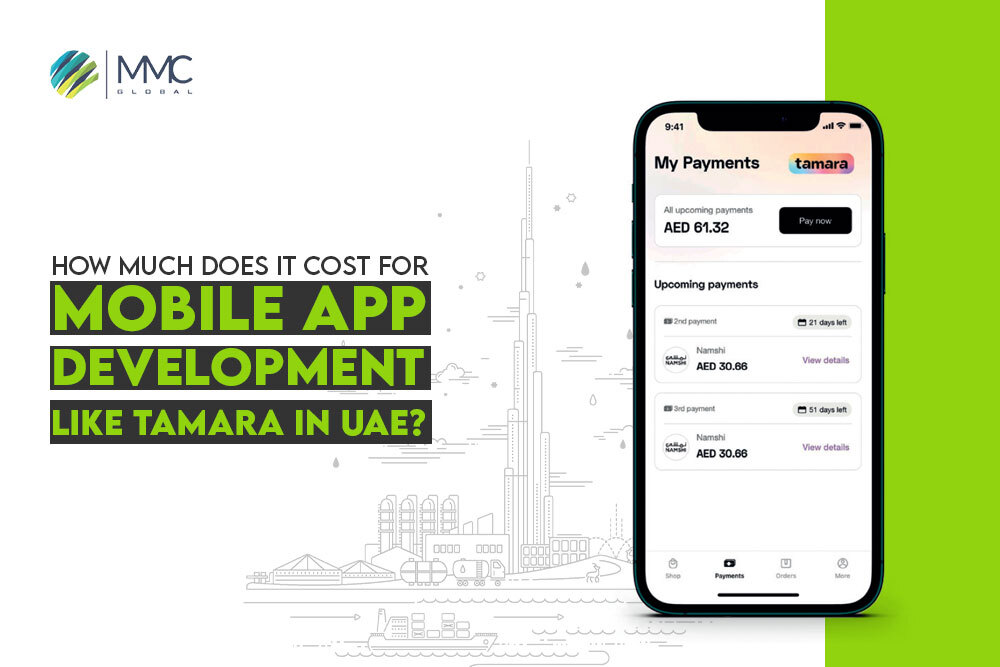
In today’s fast-paced digital economy, financial technology transforms how people shop, save, and spend especially in regions like the UAE, where innovation and convenience are closely intertwined. One standout player in this evolving space is Tamara app, a “Buy Now, Pay Later” (BNPL) platform that has rapidly gained traction across the Gulf region. By offering flexible, interest-free installment plans, Tamara app has transformed the shopping experience for consumers and empowered retailers with increased conversions and customer loyalty.
As businesses and tech entrepreneurs witness Tamara’s explosive success, many ask, “What would it take to build a similar payment solution, and how much would it cost?” Whether you’re a startup aiming to disrupt the fintech landscape or an established brand looking to diversify your digital offerings, understanding the financial, technical, and strategic investment behind such an app is crucial.
This blog explores every aspect you need to consider before launching your own BNPL platform like Tamara app, from core features and tech stacks to development timelines, compliance requirements, and, of course, cost breakdowns. We’ll explore regional market dynamics, real-world challenges, and smart strategies to keep your budget efficient without compromising performance or user trust.
If you’re serious about capitalizing on the future of digital payments in the UAE, keep reading. This guide provides a realistic, no-fluff view of what it takes to bring a payment app vision to life and how to do it effectively.
Growing Popularity of the Tamara App In the Middle East
Over the past few years, the Tamara app has emerged as a fintech powerhouse across the Middle East, particularly in Saudi Arabia and the UAE. With its innovative Buy Now, Pay Later (BNPL) model, the Tamara app has redefined how people approach online and in-store purchases, allowing consumers to split payments into manageable installments without any added interest or fees.
One of the biggest reasons for Tamara’s rising popularity is the rapid adoption of digital payment solutions in the region. The Middle East, particularly the GCC countries, is experiencing a fintech boom driven by a young, tech-savvy population, high smartphone penetration, and proactive government support for cashless economies. Consumers crave flexibility and convenience today, and the Tamara app delivers both, making it a preferred choice for millennials and Gen Z shoppers who are financially cautious but value seamless experiences.
Tamara’s strategic partnerships with major retailers, eCommerce platforms, and even physical stores have boosted its visibility and user base. From fashion and electronics to travel and beauty, the app integrates effortlessly across various industries, allowing users to pay in installments at checkout with just a few taps. This accessibility and ease of use have led to a surge in active users, with millions of transactions processed monthly.
Furthermore, the Tamara app focus on Shariah-compliant financial services resonates deeply with the region’s cultural and religious values. By offering interest-free solutions that align with Islamic finance principles, the app builds greater trust and credibility among users, giving it a distinct edge over global competitors that may not cater to these nuances.
As the demand for flexible payment methods continues to rise, the Tamara app sets the gold standard for what a modern BNPL platform can achieve in the Middle East. Its success story not only proves the viability of this model but also inspires countless entrepreneurs and businesses to explore the potential of building similar fintech solutions tailored to regional needs.
Lucrative Investment Opportunity
The popularity of the Tamara app in the Middle East surged to grow at a CAGR of 40% in 2032. Another report claims it expanded from US$231.5 billion in 2024 to US$343.5 billion in 2025, with a massive 48.4% annual growth, potentially growing to US$1.43 trillion by 2029.
The core BNPL feature enables consumers to shop in real time with a later payment process, offering zero interest, and expanding lucrative business opportunities. Offering Buy Now, Pay Later is a highly emerging business model for both B2B and B2C consumers, providing financial stability to the users and allowing businesses to improve their sales by offering their customers a short-term installment plan.
Thanks to their mobile-first, user-centric design, BNPL (Buy Now, Pay Later) solutions offer consumers a seamless and convenient experience. The growing demand for apps like Tamara in the Middle East, particularly in Saudi Arabia, Kuwait, and the UAE, reflects how deeply this model resonates with today’s digitally empowered consumers. These platforms provide financial flexibility and align with regional shopping behaviors and preferences.
For businesses and investors, developing a BNPL app similar to Tamara presents a powerful opportunity to compete in the rapidly expanding GCC fintech market. The potential of the BNPL business model in this region is immense, with increasing consumer trust and market readiness paving the way for innovation and growth. If you want to tap into one of the most promising fintech trends in the Middle East, now is the ideal time to invest and make your mark in this competitive landscape.
[Bonus Read]: Learn How to Build an App Like Haraj
Tamara App Core Features
To accurately assess the cost of building a payment solution like the Tamara app, one must first understand the critical features that drive its success. These functionalities not only define the user experience but also impact the overall mobile app development timeline, tech stack, and infrastructure. Below are the core components that make the Tamara app a market-leading BNPL solution in the UAE and across the Middle East.
1. User Registration and KYC Integration
The onboarding process in the Tamara app is seamless, secure, and compliant with regional financial regulations. Users can quickly sign up using their phone number, email, or social media accounts. More importantly, the app integrates Know Your Customer (KYC) protocols to verify user identities through official documents or national ID systems, ensuring regulatory compliance. For any business planning to enter the fintech space, especially in the UAE, building a strong and secure onboarding flow is essential and often comes with added development and integration costs.
2. Personalized User Dashboard
Once logged in, users are greeted with a personalized dashboard that displays their current orders, outstanding payments, upcoming installments, and payment history. This dashboard serves as the user’s control panel and must be designed for clarity, responsiveness, and real-time updates. In terms of mobile app development, creating such a dashboard involves backend data synchronization, UI/UX optimization, and security layer integration all of which contribute to the complexity and budget of the app.
3. Flexible Payment Options (BNPL Model)
At the heart of the Tamara app lies its Buy Now, Pay Later engine. Users can split their purchases into interest-free installments, typically across 3 or 4 months. This feature requires complex backend logic to calculate installment plans, handle due dates, trigger payment reminders, and manage delayed payments. A reliable payment gateway integration (such as with Stripe, Tabby, or local UAE providers) is also essential to ensure smooth and secure transactions. Custom-building this core feature significantly affects the scope and cost of mobile app development.
4. Retailer & eCommerce Integration
One of the reasons the Tamara app has scaled rapidly is its easy integration with top eCommerce platforms and retail stores. Merchants can add Tamara as a payment option at checkout, boosting customer conversion rates. Developing this capability involves creating a robust API infrastructure that can integrate with platforms like Shopify, WooCommerce, Magento, or custom-built eCommerce websites. For a new app, this requires not only backend API development but also merchant onboarding features, which add both value and cost.
5. Real-Time Notifications & Alerts
Timely communication is key in any fintech app. The Tamara app sends automated reminders for upcoming payments, confirmations for successful transactions, and alerts for missed deadlines. These are delivered through push notifications, emails, or SMS. From a mobile app development standpoint, building a multi-channel notification system involves integrating services like Firebase Cloud Messaging (FCM), Twilio, or local SMS providers in the UAE. This ensures users stay informed, reducing the risk of late payments and improving app reliability.
6. In-App Customer Support & Chatbot
To enhance the user experience, the Tamara app includes built-in customer support options such as live chat, help desk tickets, FAQs, and sometimes AI-driven chatbots. This reduces user frustration and builds trust. Integrating support tools, whether native or through third-party platforms like Zendesk, Intercom, or Freshchat, adds an extra layer to development but is critical for fintech apps where financial issues need quick resolution.
7. Data Encryption & Security Features
Security is non-negotiable in a payment solution. The Tamara app uses end-to-end encryption, biometric login (fingerprint or face ID), secure tokenization for transactions, and two-factor authentication (2FA). These features protect sensitive data and foster trust among users. However, implementing strong security protocols adds to development costs and requires the expertise of developers familiar with secure fintech architectures.
8. Admin Dashboard for Business Operations
Behind the scenes, the Tamara app offers an admin dashboard for internal teams to manage user data, process refunds, monitor transactions, and generate reports. This backend panel is essential for operations and analytics. Building a powerful admin interface with advanced controls, audit logs, and real-time insights adds a significant layer to mobile app development but is essential for business scalability and operational transparency.
9. Loyalty Programs and Referral Systems
To keep users engaged and encourage organic growth, the Tamara app often includes loyalty rewards, cashback offers, and referral bonuses. While these might seem simple, building an automated rewards system requires tracking user behavior, managing reward points, and integrating discount codes, all of which contribute to development hours and complexity.
10. Multi-Language and Localization Support
Serving users in different GCC countries, the Tamara app offers multi-language support, typically in Arabic and English. This is not just about translation but about localizing date formats, currency symbols (AED, SAR, KWD), and cultural nuances. If you’re building a Tamara-like app for the UAE market, this feature is critical and adds both frontend and backend development tasks.
Read more: 25+ Best Apps Like MoneyLion for Instant Cash in 2025
Monetization Strategy Like Tamara App
While the Tamara app offers its BNPL services interest-free to users, it has built a smart and sustainable monetization strategy that ensures profitability without compromising user trust. Understanding this revenue model is crucial for entrepreneurs or businesses considering mobile app development for a similar fintech solution in the UAE or GCC region.
Below are the key revenue-generating strategies behind Tamara’s success:
1. Merchant Commission Fees
One of the primary revenue streams for Tamara is the commission it earns from merchants for every successful transaction. Retailers are willing to pay a percentage of the sale (typically 2%–8%) in exchange for higher conversion rates, increased average order values, and faster checkouts. These benefits often outweigh the commission costs, making it a win-win model.
By offering Tamara as a payment method at checkout, businesses see fewer cart abandonments and more completed purchases. Therefore, for a new BNPL app, creating a scalable merchant commission structure is key to profitability. This model works particularly well in the UAE’s rapidly growing eCommerce sector, where competition among online retailers is fierce.
2. Late Payment Fees (Where Applicable)
While the Tamara app follows a consumer-friendly approach and tries to avoid charging users, some BNPL platforms include late payment fees as a revenue stream. In regulated environments like the UAE, these fees must be compliant with consumer protection laws and Shariah principles.
If your app is targeting multiple regions in the GCC, it’s important to tailor your policy accordingly some users may tolerate small penalty fees for overdue payments, while others may reject them outright. Transparent communication and a grace period help in balancing user retention with monetization.
3. Premium Merchant Services
Beyond basic checkout integration, Tamara offers value-added services to merchants, such as advanced analytics, marketing support, and exclusive placement within the app. These premium features can be offered through a subscription-based model or as part of an enterprise pricing plan.
If you’re planning to develop a BNPL platform, building an admin dashboard with advanced business intelligence tools can open up new monetization opportunities. Merchants are often willing to pay for insights that help them optimize sales, monitor performance, and improve customer targeting.
4. Affiliate Marketing and Cross-Promotions
The Tamara app also acts as a product discovery platform, showcasing partnered retailers and promotional campaigns directly within the app interface. This opens up space for affiliate marketing or sponsored placements, allowing brands to reach a highly targeted and purchase-ready audience.
By including a dedicated “Deals” or “Featured Stores” section, your app can charge merchants for visibility, priority listings, or campaign slots, similar to how Amazon or food delivery platforms monetize storefront exposure.
5. White-Labeling and API Services
As Tamara scales, it may also offer white-labeled solutions or API integrations to other fintechs or banks. These allow third-party businesses to embed Tamara’s BNPL functionality into their apps while paying for usage, licensing, or setup fees.
For your BNPL startup, offering a modular, API-based solution could unlock B2B revenue and partnerships with local financial institutions, especially in regions looking to innovate without building systems from scratch.
6. Financial Product Expansion
BNPL is often just the entry point. As user trust grows, companies like Tamara expand into additional financial services such as prepaid cards, digital wallets, personal budgeting tools, or insurance. These adjacent services can be monetized through transaction fees, interchange fees, or subscription models.
Including future scalability options in your mobile app development roadmap allows you to introduce monetization features over time, making your platform more versatile and financially rewarding.
Cost Estimation To Build an App Like Tamara App
The cost of mobile app development in Dubai depends on multiple factors, including location, platform, development team, tech stack, etc. However, we can provide you with an estimated figure. Let’s break down this figure into major stages of development.
As a general guide, you can expect to pay between AED 60,000 and AED 80,000 to develop a simple Buy Now, Pay Later (BNPL) app like Tamara. This would include basic features such as user registration, product browsing, checkout, and payment processing.
For a more complex app with additional features, such as:
- A user-friendly interface
- Integration with multiple merchants
- Advanced security features
- Real-time analytics
You can expect to pay between $50,000 and $300,000. If you need to develop the app for Android and iOS, you can expect to pay an additional 20-30% of the total mobile app development cost.
Here is a breakdown of the estimated mobile app development cost for each component of the development process:
- Planning and requirements gathering: $1,600 – $3,200
- UI/UX design: $2,400 – $4,800
- Backend development: $3,200 – $9,600
- Frontend development: $3,200 – $9,600
- Testing and deployment: $1,600 – $3,200
- Third-party integrations: $800 – $8,000 (depending on the number and complexity of the integrations)
It is important to note that these are just estimates. The actual mobile app development cost will vary depending on your specific requirements. It is always best to get quotes from multiple development companies before deciding.
Factors Affecting Mobile App Development In Dubai
The following factors can influence the cost of building an app like Tamara in the UAE:
Complexity of features
The more complex your app’s features, the higher the app development cost. Features like user profiles, product catalogs, payment processing, and fraud detection, plus infusing futuristic solutions such as AI, ML, Blockchain, etc., can cost more.
Development platform
Whether you develop your app for Android, iOS, or both platforms will also affect the mobile app development cost. Developing for multiple platforms typically costs more than designing for a single platform. It’s up to you to choose your target audience and build your app accordingly.
Development team location
The location of your development team can also impact the cost of mobile app development. Teams in developed countries such as the US and Western Europe typically charge higher rates than teams in developing countries. To minimize the cost, find a mobile app development company in Dubai, like MMC Global.
Third-party integrations
The cost of developing a mobile app in Dubai will also increase if your app needs to integrate with third-party services, such as payment processors or social media platforms.
Customization and design
The more customized and unique the design of your app, the higher the cost will be.
Project management
If you need to hire an in-house project manager to oversee the development process, this can also increase the mobile app development cost. The plus point of handing over your project to the outsourcing companies is that they provide a dedicated project manager who will handle your project from scratch and keep you updated on every step.
Testing
Thorough testing ensures your app is bug-free and works as intended. This can be a time-consuming and expensive process. When you outsource your project, you just need to deal with a few team members, and they will handle the rest. They have fully managed teams, including engineers, designers, and testers.
Deployment and maintenance
Once your app is developed, you must deploy it to the app stores and maintain it over time. At MMC Global, we provide a well-versed quote of our services, which include all pre- and post-maintenance and deployment processes.
Be sure to discuss and provide a detailed list of your requirements so that a mobile app development company in Dubai can give you an accurate quote.
Ready To Build Your App With a Professional Mobile App Development Company?
MMC Global is the name of a trusted mobile app development company in Dubai that has been operating in the UAE for a decade. We have a time-tested mobile app development process, a proficient mobile app development team, result-oriented mobile app monetization strategies, and much more that make us a trusted and recognized mobile application development company in Dubai.
We are familiar with the UAE culture, understand the needs of the local market, and have global expertise, which sums up our professional working experience in this field. From brainstorming, designing, and development to deployment, we simplify mobile app development with accuracy and quality. We first suggest the best fit for your business and execute your project according to your preference. Let’s try us for your next project!
Let’s Wrap Up
The Tamara app is a widely used mobile application in the Middle East. It allows people to split their payments into small instalments or use the Buy Now Pay Later (BNPL) option for an easy shopping experience. The best part of this app is that it does not charge any fees and provides services with zero interest in the region, including Saudi Arabia, the United Arab Emirates, and Kuwait.
Users can find over 20,000 registered brands that have utilized Tamara app services to deliver easy installment payments, offering amazing discounts and split payments to provide an easy buying experience throughout the purchasing journey. Moreover, one of their loyalty programs, “Farah,” offers exclusive deals from various brands, including exclusive vouchers and seasonal offers that enable buyers to make purchases during sale seasons and pay later at their convenience.
The split payment app business model is a million-dollar B2B venture that encourages other businesses to increase their sales. Instead of making money with app users, Tamara app monetization strategy tells a different story: they earn with their collaborative brand partners. This means that whoever wants to register their brand store to deliver a split payment method to their customers through the Tamara app platform must pay a fixed subscription amount.
From its intuitive user interface to its features and functionalities, everything delivers a smooth user experience. If you want to clone this app with enhanced features and functionality to make your app stand out, you can connect with MMC Global for free quotes.