
Over the last few years, the real estate industry has changed faster than anyone expected. Earlier, property buyers and sellers had to rely heavily on real estate agents for every small step, whether it was checking a property, arranging a visit, or finding the right match. Everything took time and mostly happened face-to-face.
That pattern started to shift when millennials stepped into the market. This generation prefers doing everything digitally, quickly, and from their phones. Instead of waiting for an agent’s schedule, they want instant information, virtual home tours, and easy comparisons all inside a mobile app. Their habits encouraged the entire real estate ecosystem to adopt new digital methods and mobile-first tools.
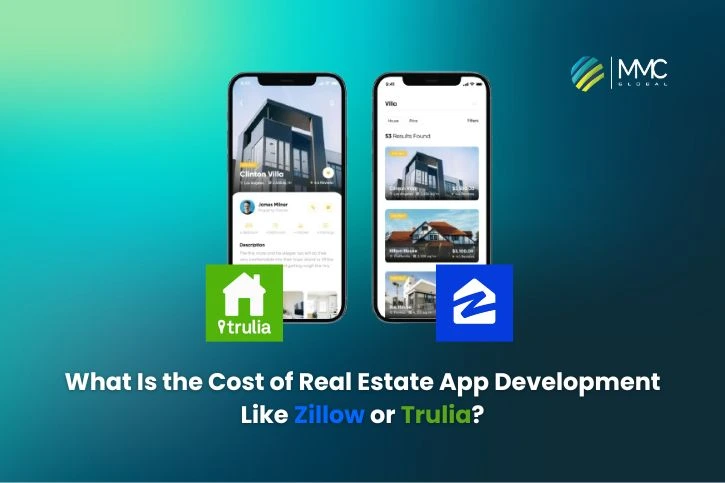
As more users expect fast, convenient, and transparent property experiences, businesses are now focusing on delivering modern platforms with advanced app development solutions. This growing demand has also led many startups and enterprises to ask an important question: what does it cost to build a real estate app like Zillow or Trulia?
Before talking about the cost, it’s helpful to understand why mobile-based property platforms are becoming the new standard. Buyers, sellers, and even agents are now more open to handling the whole real estate journey on a mobile app, which is exactly why companies are exploring how to build apps similar to Zillow and Trulia.
Mobile apps have completely changed the way people rent, buy, and sell properties. What once depended heavily on slow, traditional processes is now faster, more transparent, and accessible from a smartphone. Because of this shift, many new businesses and startups have entered the market, aiming to meet the rising expectations of today’s digital-first buyers and sellers.
Modern real estate apps now use AI technology to help users find better property matches, offer smarter search options, and deliver recommendations based on individual preferences. With advanced AI solutions in real estate, these apps make the entire search experience faster, more accurate, and far more convenient for users. This not only improves the overall experience but also helps people discover the right properties more efficiently.
Today, several strong competitors have already built their presence in the real estate app industry. They have earned trust by understanding user needs and offering simple, easy-to-use digital experiences.
With that in mind, the next step is to explore the key real estate mobile app features that help these platforms stand out and attract a growing audience in the property market.
Must-Have Features of Property Search Rental Apps Like Zillow or Trulia
Building a real estate app that users love starts with including the right features. Apps like Zillow and Trulia became popular because of the smart and useful features they offer. If you want your app to succeed, you need to carefully plan the features you include. Here are some essential features that every property search or rental app should have:
Database
The database is a crucial but often invisible part of any real estate app. A well-organized and reliable database ensures your app runs smoothly and keeps users engaged. The success of your app depends heavily on how effectively the database is integrated. The more comprehensive and up-to-date your database is, the higher the chances of retaining user interest.
Apps like Zillow and Trulia get their property data from major sources such as:
- National Association of Realtors (NAR)
- Multiple third-party listing services
To build a strong database for your app, it’s important to collaborate with local real estate agents and professionals. This helps create an extensive, accurate, and valuable property database that makes your app trustworthy and engaging for users.
User Profiles
Real estate apps like Zillow include features that cater to different types of users within a single platform. It’s important for developers to allow users to create their own profiles in the app. These profiles can be tailored based on the user type, such as buyers, sellers, or real estate agents.
Different profiles provide access to different features. For example, a buyer’s profile can browse listings, make inquiries, and save favorite properties. An agent’s profile, on the other hand, can manage their own listings, track interested buyers, and organize schedules. Personalized profiles make the app more useful and engaging for everyone.
Onboarding
The first few steps a user takes after installing your app are crucial. A simple and smooth onboarding process increases the chances that users will continue using your app instead of abandoning it. Onboarding should help users understand your app’s features, how to navigate it, and how it brings value to them.
Also Read: Mobile App Development Process.
A good onboarding process focuses on three main goals: easy navigation, smooth operations, and clearly showing the app’s benefits. To make onboarding even easier, you can allow users to sign in through social media accounts. This reduces friction and lets users start exploring your app in just a few clicks, increasing the likelihood of turning them into active users.
Search, Filter, and Sort
Customizable search and filter options make your app more relevant and useful for users. By allowing users to filter properties according to their preferences, such as budget, location, amenities, or requirements you help them find the most suitable options quickly. Property search and filtration are essential features in any real estate app. The more ways users can shortlist properties, the more reliable and user-friendly your platform becomes.
You can include search and sorting filters based on:
- Purpose (buy, rent, or lease)
- Location
- Price
- Bedrooms
- Bathrooms
- Types of home
- Year built
- Built-in area
- Mortgage options
These features make property discovery faster and enhance the overall user experience, keeping users engaged and satisfied.
Interactive Maps
Integrating maps is a crucial feature for any property search app. It provides users with valuable information and ensures that property seekers can locate properties accurately and efficiently.
A smart map feature takes this further by showing what’s around the property. You can display nearby amenities like schools, hospitals, banks, and shopping centers. Additional insights, such as crime rates, average income of residents, and other local statistics, help users make informed decisions. Interactive maps not only improve usability but also make your app more engaging and reliable for users.
Calendars
While some may consider calendars optional, this feature significantly enhances the value of a real estate app. Calendars are particularly useful for agents and buyers alike.
For example, buyers can easily see available dates and time slots to schedule property viewings or appointments with agents. Agents, on the other hand, can manage open houses and meetings efficiently. By keeping track of appointments and property events, calendars make the app more organized, convenient, and user-friendly for all stakeholders.
Apartment Details
Each property listing should provide complete information to help users make informed decisions. This includes descriptions, photos, videos, price details, nearby landmarks, owner information, and other relevant data. Your app becomes truly effective when it gives in-depth insights into every property, covering everything from per square foot area to local amenities and contact details. Detailed property information increases the app’s credibility and value in the market.
For example, Trulia provides data on 34 neighborhoods, including photos, videos, amenities, and stories from local residents. Features like these help potential buyers understand the community or neighborhood better.
Push Notifications
Push notifications are a powerful tool to keep users engaged. They allow you to stay on top of your users’ minds by sending updates about new listings, price changes, or scheduled appointments. For property apps, push notifications help users stay informed about changes in property prices, upcoming viewings, or messages from agents. Timely notifications increase engagement and encourage users to return to the app regularly.
Currency Converter
In today’s global real estate market, many users are looking for properties across borders. A currency converter is essential for apps targeting international users. It allows users to view property prices in their preferred currency, making cross-border property searches easier and more transparent.
Forum and Messenger
Including forum or messaging functionality lets users discuss properties, ask questions, and share insights openly. An embedded chat system directly improves user engagement. Messenger features give buyers, sellers, and agents a platform to communicate efficiently, speeding up property transactions and enhancing overall user satisfaction.
Virtual Tours
Virtual tours allow users to explore properties in 360-degree view without visiting them physically. This feature saves time for both buyers and agents while providing a realistic experience of the property. Users can walk through rooms, check layouts, and get a feel for the space from their devices. Virtual tours enhance user engagement, make decision-making easier, and add a modern, interactive touch to your real estate app.
Favorites
The favorites feature lets users save properties they are interested in for future reference. Users can create lists of preferred homes, compare them, and revisit these listings anytime. This personalization keeps users engaged and makes property browsing more convenient. Favorites also help users organize their search efficiently, increasing the likelihood of conversions.
Technology Stack Needed for Development of Property Search Apps
Developing a property search app requires a combination of platforms, tools, and technologies to ensure seamless performance, scalability, and a smooth user experience. This includes cross-platform or native app development for iOS and Android, a robust back-end, real-time video calling features, efficient databases, and the necessary SDKs for integration.
| Platform/Feature | Technology/Tools | Purpose/Usage |
| Application Design | Figma, Adobe XD, Sketch | UI/UX design |
| iOS Application Development | Swift, Xcode | Native iOS app development |
| Android Application Development | Kotlin, Java, Android Studio | Native Android app development |
| Backend Development | Node.js, Django, Ruby on Rails | App logic, APIs, authentication |
| Video Calling API | Twilio, Agora, Vonage | Real-time video calls between users |
| Database | PostgreSQL, MySQL, MongoDB, Firebase | Store user, property, and transaction data |
| SDK Files | Firebase SDK, Google Maps SDK, Payment SDKs | Integration of maps, payments, and notifications |
What is the Cost of Building a Real Estate App Like Zillow or Trulia?
The cost of developing a real estate app like Zillow or Trulia depends on several factors, including the complexity of the app, the size of the development team, and the location of the hired development agency. If your property search app includes the same features and uses the same technology stack we shared earlier, the estimated cost for developing a Zillow-like app would range from
USD 83,000 to USD 100,000.
This estimate is based on the standard set of features and technologies discussed above. Any changes or additions to these features or technologies will naturally affect the final cost.
Before committing your full budget, it’s advisable to develop a Minimum Viable Product (MVP) first. This allows you to validate your idea, gather user feedback, and stay on the right track throughout the development process. Once your app is live, you can explore various monetization strategies to generate revenue.
Also Read: How to Create a Real Estate App Like Bayut – Step-by-Step Guide.
How to Develop an App Like Zillow or Trulia?
Developing a real estate app like Zillow or Trulia involves careful planning and execution to create a functional and user-friendly platform. Such apps not only help users explore real estate listings but also provide tools for buyers, sellers, and real estate professionals to connect and interact.
Here’s a step-by-step guide to real estate app development:
Market Research and Planning
Understand your target audience, competitors, and market trends. Identify the core features and functionalities that will make your app stand out.
Features Selection
List essential features such as property search, filters, maps, user profiles, favorites, notifications, and video calling. Choose a technology stack for front-end, back-end, database, and third-party integrations.
UI/UX Design
Design a clean, intuitive interface for smooth navigation. Tools like Figma, Adobe XD, or Sketch can help create interactive prototypes for testing.
App Development
Build the app’s front-end and back-end using the chosen technology stack. Integrate essential features like property search, maps, filters, user profiles, and video calling.
Testing and Quality Assurance
Conduct thorough testing to identify and fix bugs, ensure security, and provide a seamless user experience across devices.
Launch and Marketing
Deploy the app on iOS and Android platforms. Promote it through digital marketing strategies to reach your target audience.
Maintenance and Updates
Continuously monitor app performance, fix issues, and release updates to improve features and user engagement.
Monetization Models to Follow in Your Real Estate Mobile App Development Journey
Real estate property listing apps have multiple revenue streams. Here are some strategies we recommend to our clients:
- Sell Ad Slots to Property Management Companies: Allow property managers to promote their listings directly within the app.
- Premier Service Offering to Real Estate Agents: Offer premium features or visibility to agents for a subscription or one-time fee.
- Sell Ad Slots to Mortgage Lenders and Similar Businesses: Partner with mortgage companies, insurance providers, or home services to display targeted ads.
It’s important to note that the money spent on developing a real estate app like Zillow or Trulia may not be immediately recovered through profits. Success requires establishing a strong presence in the increasingly crowded mobile space. With consistent marketing, valuable features, and strategic monetization, your app can gradually become profitable.
How to Offer Your App a Competitive Edge in the Real Estate App Ecosystem?
Standing out in the growing crowd of real estate apps requires delivering a superior user experience and adding features that offer real value. Based on our experience developing multiple real estate apps like Zillow and Trulia, we have identified key functionalities that can give your app the competitive edge it needs:
Low Listing Fees
One of the main reasons realtors and advertisers switch between apps is the cost of listing properties. While waiving listing fees entirely may not be sustainable, keeping them lower than competitors can attract more users. You can also offer a limited-time inauguration waiver to encourage adoption without immediately affecting revenue.
Give Detailed Information
Go beyond basic property listings by offering in-depth insights into localities. Include details about security, transportation options, market valuation, growth prospects, nearby amenities, and other relevant data. This transforms your app into a comprehensive platform for buyers, renters, and sellers.
Use Blockchain
Although adoption is still emerging, Blockchain is transforming the real estate sector globally. By integrating Blockchain into your app, you can decentralize processes like property verification, document transfers, and secure transactions. This positions your app as a trustworthy and innovative platform in the market.
Updated LMS Integration
A common complaint among users of popular real estate apps is outdated data sold properties still listed or incorrect prices. Integrating your app closely with MLS (Multiple Listing Services) ensures real-time updates and accurate information, enhancing reliability and user trust.
Risks and Challenges of Building a Real Estate Application
Building a real estate application comes with its set of risks and challenges that need careful consideration and strategic planning. Addressing these effectively can significantly enhance the app’s success and user satisfaction.
Here are some common challenges businesses need to be aware of:
Data Security and Privacy
Real estate apps handle sensitive user information, including personal details, financial data, and property ownership records. Ensuring robust data security measures, encryption, and privacy compliance is essential to protect users and maintain trust.
Solutions: Implement strong encryption, secure authentication, and ensure GDPR/CCPA compliance. Conduct regular security audits.
Regulatory Compliance
Different regions have varying regulations regarding property transactions, data storage, and user privacy. Ensuring compliance with local laws and real estate regulations is critical to avoid legal complications.
Solutions: Stay updated with local laws, involve legal experts, and design the app to meet regional compliance requirements.
User Engagement and Retention
Attracting users is only the first step; keeping them engaged requires a seamless user experience, regular updates, and features that add value, such as personalized recommendations and real-time notifications.
Solutions: Offer personalized recommendations, push notifications, loyalty programs, and an intuitive user interface.
Integration with External Systems
Real estate apps often need to integrate with MLS databases, payment gateways, mapping services, and other third-party systems. Ensuring smooth and secure integration can be technically challenging.
Solutions: Use reliable APIs, maintain proper documentation, and thoroughly test integrations for smooth functionality.
Accurate and Timely Data
The value of a real estate app depends on the reliability of its data. Maintaining accurate, real-time property listings, prices, and availability is crucial to user trust and satisfaction.
Solutions: Integrate real-time MLS updates, implement automated data validation, and allow agents to update listings promptly.
How Can MMC Global Help You with Real Estate Mobile Application Development?
MMC Global, a leading real estate mobile app development company, has assisted numerous clients in delivering successful and feature-rich property apps. Our team of innovative developers specializes in creating real estate applications powered by advanced technologies, designed to meet the evolving demands of buyers, sellers, and other stakeholders in real-time.
We focus on connecting all stakeholders through a single platform, ensuring seamless communication, efficient property management, and enhanced user experience. With our expertise, we help businesses build scalable, secure, and engaging real estate apps that stand out in a competitive market.
Conclusion
We hope this guide has provided a comprehensive overview of real estate app development costs and other key considerations. Whether you are developing a real estate app for Android or iOS, the goal is always to simplify the buying, selling, and renting process for users. Implementing a streamlined dashboard for profile management and an intuitive UI will play a crucial role in the long-term success of your app. To stay competitive, study the features offered by apps like Zillow and Trulia, and continuously upgrade your app to deliver an exceptional and unmatched user experience.
Frequently Asked Questions (FAQs)
Q. How much does it take to build an MVP for a real estate app?
Developing an MVP for a real estate app is more cost-effective than a full-fledged app and generally ranges between USD 25,000 to USD 40,000, depending on the features included and technology used.
Q. How to build a real estate app?
Building a real estate app involves the following key steps:
- Research: Conduct market research to understand competitors, target audience, and trends.
- Features: Define core features such as property search, filters, maps, notifications, and user profiles.
- Design: Create intuitive UI/UX designs for a seamless user experience.
- Development: Build the front-end and back-end of the app, integrate MLS and third-party APIs.
- Testing: Perform thorough testing to identify and fix bugs, and ensure security and performance.
- Launch: Deploy the app on iOS and Android platforms.
- Maintenance: Continuously update features, fix issues, and improve app performance based on user feedback.
Q. How much does it cost to make a real estate app?
A fully functional real estate app like Zillow or Trulia typically costs USD 83,000 to USD 100,000, depending on the complexity, platform, and technology stack.
Q. What are the latest trends in real estate app development?
Current trends in real estate app development include:
- Virtual and Augmented Reality (VR/AR): Interactive property tours and immersive experiences for buyers.
- AI and Machine Learning: Personalized property recommendations and predictive analytics for market insights.
- Blockchain: Secure property transactions, transparent ownership records, and fraud prevention.
- Internet of Things (IoT): Smart home integration and real-time property monitoring.
- Sustainability Tracking: Features to track energy efficiency, green certifications, and eco-friendly property attributes.
Q. How much does a real estate agency benefit from having a personal mobile app?
A dedicated mobile app can boost user engagement, increase property visibility, streamline communication with buyers and sellers, and generate additional revenue through premium listings and ads.
Q. How can blockchain technology help in the real estate business?
Blockchain ensures secure property transactions, transparent ownership records, faster document transfers, and reduces fraud, making it a valuable addition to modern real estate apps.