
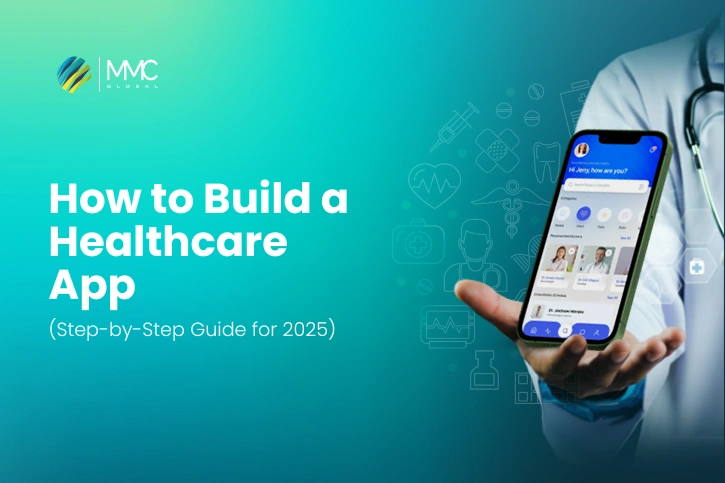
The healthcare industry has been transforming quickly in recent years, thanks to new technologies and digital innovation. Among these, healthcare apps have gained massive popularity and are now an essential part of daily life. Their demand continues to rise, especially after the global pandemic highlighted the importance of accessible digital healthcare.
For many businesses and startups, developing a healthcare app can feel overwhelming at first. It requires careful planning, technical expertise, and a clear understanding of how such apps can improve people’s lives. This is why partnering with a professional healthcare app development company often makes the process smoother and more effective.
In this guide, we’ll walk you through the step-by-step process of creating a healthcare app from the first idea to launch, and everything in between. By the end, you’ll have a clear roadmap for building an app that not only works but also makes a real difference in the healthcare industry.
What Is a Healthcare App and How to Develop One
The mHealth (mobile health) industry is vast, covering a wide range of applications from professional medical tools to simple wellness apps. Each healthcare app serves a different purpose. Some focus on tracking health data, while others provide remote assistance, 24/7 access to doctors, personalized health tips, medication reminders, or medical record management. Ultimately, the goal depends on the app category and user needs.
If you’re planning to develop a healthcare app, the process involves several strategic steps. Let’s walk through them one by one:
1. Identify the Problem
Every successful healthcare app starts with solving a real problem. Look for gaps in the healthcare system and think about how your app can provide a solution. The more specific the problem, the better your app can serve its purpose.
2. Define Your Audience
Know who your users are. Are you targeting patients, doctors, caregivers, or healthcare providers? Understanding your audience’s demographics, challenges, and goals will help you design a solution tailored to their needs.
3. Select Key Features
The features you choose should align with your app’s purpose. Common healthcare app features include:
- Appointment scheduling
- Symptom and health tracking
- Medication reminders
- Electronic Health Records (EHR) management
- Telehealth/video consultation
4. Build a Prototype or MVP
Instead of investing in full development right away, start with a Minimum Viable Product (MVP). An MVP helps you test your core idea, gather user feedback, and identify improvements before scaling up.
5. Assemble a Skilled Development Team
Unless you are a developer, you’ll need a professional healthcare app development team. Choose a team with proven experience in healthcare projects, knowledge of industry regulations, and an understanding of your target audience.
6. Secure Funding
Developing a healthcare app requires investment. Explore different funding options such as grants, investors, loans, or crowdfunding to cover development, marketing, and maintenance costs.
7. Marketing and Launch
A well-built app still needs the right exposure. Promote it using SEO, social media marketing, influencer collaborations, and paid ads. Highlight the problem it solves and the value it brings to users.
8. Maintenance and Updates
Launching is just the beginning. Regular updates, bug fixes, new features, and strong security measures are essential to keep your app relevant and trustworthy.
Additional Tips for Building a Healthcare App
While the core steps of healthcare app development are crucial, there are a few extra factors that can make your app more secure, compliant, and user-friendly.
- Ensure HIPAA Compliance
Patient privacy is non-negotiable. If your app handles sensitive medical data, it must comply with HIPAA regulations (or other regional data laws like GDPR). This builds trust and protects both users and providers.
- Prioritize User Feedback
Involve your target users early in the process. Regular feedback will help you refine features and make sure the app continues to meet real healthcare needs.
- Focus on Security
Healthcare apps deal with highly sensitive information. Develop your app in a secure environment and include strong encryption to prevent breaches.
- Keep It Updated
Security is an ongoing responsibility. Regular updates and patches protect users from malware, cyber threats, and performance issues.
Developing a healthcare app is a complex journey, but with the right planning, compliance, and continuous improvements, you can build an app that makes a real difference in people’s lives.
Also Read: Augmented Reality in Healthcare
Healthcare App Market Overview
The mobile health (mHealth) app industry continues to experience rapid growth in 2025, signaling a major shift in how people manage their health digitally. People are relying more on apps for monitoring health, booking virtual consultations, and accessing real-time medical support.
According to Fortune Business Insights, the global mHealth apps market is now valued at USD 40.65 billion in 2025. It’s projected to nearly double by 2032, reaching USD 88.70 billion with a steady CAGR of 11.8%. Similarly, a report from Straits Research places the broader mHealth market at USD 101.96 billion in 2025, with the potential to grow to USD 367.92 billion by 2033, powered by a strong 17.4% CAGR.
When it comes to telemedicine, the sector is showing equally impressive momentum. Grand View Research estimates the global telemedicine market at USD 169.45 billion in 2025, with growth expected to hit USD 380 billion by 2030 at a CAGR of 17.6%. Meanwhile, Future Market Insights projects the combined telehealth and telemedicine market will reach USD 147.6 billion in 2025 and soar to USD 759.5 billion by 2035, reflecting a powerful CAGR of 23.8%. Among older adults:
- 17% use apps for sleep tracking
- 22% for nutrition monitoring
- 20% for weight management
- 20% for exercise and fitness
This shift highlights that healthcare apps are not just medical tools, they are lifestyle companions.
Globally, the digital transformation of healthcare is accelerating, creating opportunities for businesses to step in. Developing a healthcare app that meets real user needs can put your business at the forefront of this expansion.
Here are some key statistics that show the massive potential of this industry:
- In 2021, investors poured $45 billion into the digital health sector.
- According to Accenture, 75% of patients recognize the importance of healthcare apps.
- The global healthcare app market was valued at USD 38.89 billion in 2021 and is expected to hit USD 314.6 billion by 2028, growing at a CAGR of 34.8%.
- The mHealth market alone is projected to reach USD 136.64 billion by 2027, with a CAGR of 24.6%.
- The telemedicine market, valued at USD 40.2 billion in 2020, is forecasted to grow to USD 431.8 billion by 2030, expanding at a CAGR of 25.9%.
These numbers clearly show that healthcare app development is not just a trend, it’s a long-term opportunity for businesses that want to be part of the future of digital healthcare.
Types of Medical Applications
Healthcare apps today come in many forms, each serving a unique purpose in improving our lifestyle, fitness, and overall well-being. If you’re looking for healthcare app ideas, understanding these categories can help you identify what type of solution to develop and how it can meet user needs. Let’s explore the most popular categories of medical and health applications:
1. Lifestyle Tracking Apps
These apps help users monitor essential health metrics such as heart rate, sleep patterns, daily activity, calorie intake, and even menstrual cycles. They act as personal wellness companions, giving valuable insights into everyday health. Popular examples include Google Fit, Map My Fitness, and Sleep as Android.
Some apps are designed for specific needs like pregnancy tracking apps that allow expectant mothers to monitor fetal growth and health. Others create personalized diet and nutrition plans tailored to medical conditions or lifestyle goals.
2. Fitness Apps
Fitness apps are perfect for anyone who wants to stay active and maintain a workout routine. From guided home workouts (without gym equipment) to specialized yoga sessions, these apps offer personalized coaching and fitness plans. Popular names in this category include Nike Training Club, Sworkit, and other widely used fitness platforms.
3. Health Counseling Apps
These apps connect users directly with doctors, therapists, and medical experts via chat or video calls. They are especially useful for non-emergency consultations, follow-ups, or mental health support. Well-known apps like MDLIVE, Talkspace, and Doctor on Demand are trusted options for virtual medical advice.
4. Meditation & Mindfulness Apps
Beyond physical health, many apps now focus on mental well-being. Meditation and mindfulness apps offer tools such as guided meditations, breathing exercises, and stress management practices. Popular apps in this space include Calm, Headspace, and Insight Timer.
Building a Health App – Must-Have Features
When developing a healthcare app, certain features are considered essential, no matter whether the app is built for iOS or Android. While advanced functions like live video consultations can add extra value, the following features form the backbone of any successful health app:
1. User Profile
A personalized user profile allows people to manage their health information and control what data the app can access. During sign-up, most apps request basic details such as name, age, height, weight, and contact info. Collecting this data helps create tailored health insights and recommendations.
2. Dashboard
A dashboard is crucial for quick access to important health stats. It gives users a clear overview of their medical history, daily activity, and vital health metrics. Adding interactive modules like CPR tutorials or training can further increase engagement and provide practical value.
3. Chat and Messaging
Real-time communication is one of the most important aspects of healthcare apps. Built-in chat or messaging features let patients connect with doctors, therapists, or support groups. These interactions can improve care, provide motivation, and make healthcare more accessible.
4. Notifications and Reminders
Health apps work best when they are interactive, not passive. Features like reminders and push notifications help users stay consistent whether it’s taking medication, exercising, or tracking progress. For fitness and wellness apps, reminders are especially powerful in building habits.
5. Cloud Integration
Cloud storage ensures users can access their health records anytime, anywhere. This feature also allows them to upload and share records with healthcare providers whenever required, making data management seamless.
6. Security and Privacy
Since health apps handle sensitive personal data, strong security is a must. Features like data encryption, secure logins, and multi-factor authentication build trust and protect user privacy.
7. Secure Payment Processing
If your app includes paid services, a smooth and secure payment gateway is essential. It should protect sensitive data while keeping transactions fast, simple, and user-friendly.
8. Analytics Integration
Analytics help developers track app usage and improve the overall experience. With proper user consent, data can be used to provide insights, personalize recommendations, and optimize app performance.
9. Additional Features (Optional but Valuable)
Depending on your app’s goals, you can also integrate:
- Wearable device connectivity (smartwatches, fitness trackers)
- Goal setting and progress tracking
- Social sharing options for community support
- Gamification to boost motivation
- Video tutorials for guidance
- Appointment booking and management
Developing a Health App – Step-by-Step Guide
Creating a healthcare app is not the same as developing a regular mobile app. The process requires extra care, compliance with strict regulations, and a focus on patient safety. To make things easier, here’s a step-by-step guide that highlights the essential stages of building a successful medical app.
Step 1: Conduct Market Research
The healthcare app industry is already crowded, so your app must deliver real value. Start by analyzing the market, studying competitors, and identifying their strengths and weaknesses. Look for gaps that your app can fill, define your unique selling proposition (USP), and understand your target audience’s needs. This step will help your app stand out instead of blending into the noise.
Step 2: Design a User-Friendly Interface
Design plays a major role in an app’s success. Healthcare apps should be simple, consistent, and intuitive, guiding users smoothly without overwhelming them. A clean interface with fewer interaction points reduces cognitive load and improves the overall user experience.
Step 3: Ensure Compliance (HIPAA, GDPR & More)
Since healthcare apps handle sensitive data, compliance is non-negotiable. In the U.S., apps must follow HIPAA regulations, while in Europe, GDPR applies.
Key considerations include:
- Restricted access: Only authorized roles (like doctors) should see patient details.
- Data encryption: All health data must be encrypted and backed up securely.
- HIPAA-compliant services: Choose vendors and services that meet regulatory standards.
Compliance is not limited to technology. Administrative policies, defined roles, and regular audits are also essential to stay within legal boundaries.
Step 4: Pre-Development Planning
Before coding, create a clear roadmap. This should outline features, resources, costs, compliance requirements, and the team you’ll need. Decide whether you’ll need certifications, what tools and technologies to use, and finalize your budget.
Suggested tech stack examples:
- Frontend: Angular, React, Vue
- Backend: Node.js, Laravel, Ruby on Rails
- Mobile Development: Flutter, React Native, Ionic
Step 5: Development Phase
Start with an MVP (Minimum Viable Product) to test your concept and collect user feedback. From there, iterate and expand features.
You can either build an in-house team or work with an experienced healthcare app development company. Outsourcing can save time, reduce costs, and give you access to experts who already understand the complexities of medical software.
Step 6: Quality Assurance (QA)
Healthcare apps must be reliable, safe, and error-free. QA testing is critical to identify blind spots that regular debugging might miss. Hire skilled QA engineers to perform usability, performance, and security testing before launch.
Step 7: Launch and Ongoing Support
Releasing your app is only the beginning. After launch, continuous support and updates are necessary to maintain stability, fix bugs, improve performance, and add new features. Many businesses start with outsourced teams but later move ongoing support to their in-house staff.
Developing a Health App: Monetization Models
As digital health adoption continues to rise, mobile healthcare apps are becoming not only life-changing tools but also profitable business opportunities. If you’re an entrepreneur or investor exploring this space, understanding the different monetization models is key to building a sustainable revenue stream. Here are some of the most common ways healthcare apps make money:
Also Read: How To Create a Mobile App.
1. Paid Apps
The most straightforward approach is to charge users a one-time fee to download the app. This model works well if your app offers a specialized or unique service, such as advanced symptom tracking or fitness monitoring.
Examples: MyFitnessPal, Headspace
2. Freemium Model
In this model, users can download and use the app for free, but premium features are locked behind a paywall. This allows people to try out the app before committing financially. It’s a great way to attract a large user base while still generating revenue from those who want extra functionality.
Examples: Fitbit, Strava
3. Subscription Model
Subscriptions provide apps with a steady and recurring income stream. Users pay monthly or yearly fees to access premium features, personalized plans, or exclusive content. This model is especially effective for apps that deliver ongoing services, such as guided workout programs or personalized nutrition plans.
Examples: Peloton Digital, Noom
4. Advertising
Some healthcare apps generate revenue through in-app advertising, such as banner ads, sponsored content, or personalized product recommendations. However, it’s important to strike a balance. Too many ads can frustrate users and cause them to abandon the app.
Examples: WebMD, Healthline
5. Partnerships & Affiliations
Partnerships with healthcare providers, insurers, or pharmaceutical companies can create additional revenue opportunities. These collaborations may involve referral fees, commissions, or bundled services offered through the app. In some cases, a strategic partner may also act as an investor, helping to fund development while benefiting from shared growth.
Examples: Doctor on Demand, GoodRx
Also Read: How to Create a Payment App.
How Much Does it Cost to Develop a Healthcare App
Estimating the cost of healthcare app development is never straightforward. Every app has unique requirements, priorities, and features, which means the budget will vary depending on your project’s complexity.
That said, we can look at general industry trends to give you a clearer idea:
- Basic healthcare apps (limited features, simple design): around $30,000 – $80,000
- Advanced apps (integrations, AI, telemedicine, real-time data tracking): up to $120,000+
- MVP versions (minimum viable product): as low as $25,000 – $40,000, since they focus on core features and fast market entry
Cost Breakdown by Roles (Average Monthly Rates)
| Role | US | UK | Albania | Portugal |
| Cross-platform mobile developer | $6,000 | $5,500 | $3,000 | $4,000 |
| Backend developer | $7,000 | $6,800 | $3,500 | $4,600 |
| Frontend developer | $6,500 | $5,900 | $3,200 | $4,100 |
| QA Tester | $5,500 | $4,900 | $2,900 | $3,500 |
| UI/UX Designer | $4,000 | $3,500 | $2,500 | $3,000 |
| Project Manager | $6,000 | $5,000 | $3,600 | $4,200 |
Hidden Costs to Consider
Beyond development, there are unseen expenses that often catch businesses off guard:
- Ongoing maintenance & updates
- Compliance & legal fees (HIPAA, GDPR, FDA approvals, etc.)
- Marketing & ASO (App Store Optimization, paid ads, PR, etc.)
- Server, hosting, and third-party API integrations
Ignoring these can push your actual budget far above the initial estimate.
Smart Ways to Save in 2025
Developing a healthcare app doesn’t have to break the bank. Here are some cost-saving strategies:
- Partner with an experienced healthcare and custom app development company – they’ll help you avoid costly mistakes.
- Leverage pre-built components & open-source frameworks to cut down coding time.
- Start with core features (MVP) → test, gather feedback, then expand.
- Build with compliance in mind from day one to avoid expensive reworks later.
- Hire offshore or nearshore developers (e.g., Central or Eastern Europe) for quality work at competitive rates.
Low-Cost Development Traps: How to Reveal and Avoid Them
Developing a health app on a limited budget is certainly possible, but it often comes with hidden risks that can compromise the app’s quality and long-term success. Many businesses run into problems when they rely on inexperienced developers, cut corners with compliance and security, or neglect essential features that users expect. These shortcuts may seem like cost-saving measures at first, but they usually result in unreliable apps that fail to meet market standards, struggle with user adoption, or even face legal issues due to non-compliance with healthcare regulations.
The best way to avoid these pitfalls is to focus on building a strong foundation from the very beginning. Partnering with an experienced healthcare app development team ensures that the final product not only complies with necessary laws and guidelines but also delivers a seamless, trustworthy user experience. A structured development process that starts with careful planning and discovery allows businesses to clearly define goals, choose scalable technologies, assess the complexity of tasks, and build a realistic roadmap for growth.
By investing in quality and compliance upfront, organizations reduce risks, avoid costly rework, and position their app for long-term success in an increasingly competitive healthcare market.
What Are the Benefits of Developing Healthcare Apps?
Below are some of the most common benefits of building a healthcare app.
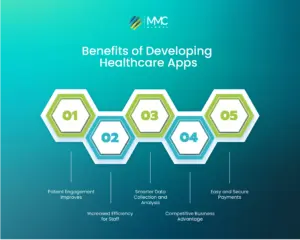
Patient Engagement Improves
Healthcare apps give patients quick access to test results, medical history, and medication reminders. This keeps them more engaged with their health and helps them follow treatment plans more effectively. Patients can also stay in touch with healthcare professionals through chat or video calls and even book appointments instantly. Some apps also allow medicine orders directly within the platform, making the overall experience more convenient.
Also Read: How to Create a Monkey-Like Video Chat App?
Increased Efficiency for Staff
By automating routine tasks, such as appointment booking, prescription refills, and payments, healthcare apps save time for doctors and staff. Instead of manually searching through patient records, providers can quickly access data in one place. This efficiency helps medical teams focus on what truly matters patient care.
Smarter Data Collection and Analysis
Healthcare apps collect valuable patient data during sign-up and throughout usage. This includes health behavior, outcomes, and treatment responses. With this information, doctors can spot patterns early, adjust treatments, and prevent complications. For example, if a patient reacts poorly to a medication, the app data can alert providers to take timely action.
Competitive Business Advantage
For healthcare businesses, having a custom app provides a strong competitive edge. Adding unique features not only attracts new patients but also helps retain existing ones. In a crowded market, an app with useful functions improves brand recognition and builds long-term trust with users.
Easy and Secure Payments
Paying medical bills has become simple with mobile apps. Patients can complete secure online transactions in just a few clicks. Many apps also include loyalty perks, discounts, or offers, which keep users engaged while ensuring smooth financial management for healthcare providers.
Challenges in Healthcare App Development
Building a healthcare mobile app can be complex, especially for those with limited experience. Developers often face several key challenges that must be addressed to create a reliable and compliant solution.
A. Security and Privacy Regulations
Protecting patient data is one of the biggest priorities in healthcare app development. Users must trust that their sensitive health details are safe, just as they would trust a banking app. Along with strong security measures, developers also need to comply with privacy laws that differ across regions:
- United States (HIPAA): Requires healthcare organizations and apps to secure personal health data.
- European Union (GDPR): Gives residents control over their personal data, and companies worldwide must comply if they process EU users’ information.
- United Kingdom (DPA): Mirrors GDPR rules to strengthen public data protection and privacy.
- Canada (PIPEDA): Governs how businesses use personal data, making compliance a vital part of the development process.
B. Complex Features and User Experience
Healthcare apps often require multiple advanced features, but too many complex functions can confuse users. The key is to keep the design simple, intuitive, and user-friendly while still offering the necessary tools for patients and healthcare providers.
C. Big Data Management
Healthcare apps collect large volumes of data that can be used for predicting diseases, improving research, and enhancing patient care. The real challenge lies in building an architecture that can process and manage this massive data flow effectively. Partnering with an experienced development team ensures the app can handle scalability and heavy workloads.
Also Read: Top 20 Free Offline Music Apps.
Use Cases of Healthcare Apps
When developing a healthcare application, it’s important to focus on the type of app that aligns with your goals and solves real-world challenges. With the growing demand for digital healthcare solutions, here are some of the most popular use cases in 2025.
1. Telehealth & Telemedicine
Telehealth apps allow patients to connect with doctors remotely through video calls, chat, or voice consultations. These solutions became essential during the pandemic and continue to grow in popularity as they make healthcare more accessible, affordable, and faster for patients worldwide.
2. Electronic Health Records (EHR/EMR)
EHR and EMR apps store and manage patient medical records on a single platform. This reduces paperwork, eliminates manual errors, and allows healthcare providers to share data across institutions securely, ensuring continuity of care.
3. Health Information Exchange (HIE)
HIE systems track and share vital health indicators like blood pressure, heart rate, and body temperature. With smartphone-based authentication, doctors can monitor patient data in real-time, improving diagnosis and overall patient care.
4. Built-in Diagnostic Systems
With the integration of IoT devices and connected wearables, healthcare apps can collect and analyze patient data directly. This enables doctors to monitor remote patients, track progress, and provide accurate treatment plans without the need for frequent hospital visits.
5. E-Prescriptions (eRx)
E-prescribing apps make it possible for doctors to write, send, and manage prescriptions digitally. This system minimizes prescription errors, saves time for both patients and healthcare providers, and integrates smoothly into the digital health ecosystem.
6. Medical Billing & Revenue Cycle Management (RCM)
Apps with integrated RCM and billing features streamline financial operations by connecting EHR and practice management systems. Patients can view and pay bills securely, while providers save time and reduce IT overhead with automated compliance and encryption.
Conclusion
Building a healthcare app is not a small task; it requires strategic planning, strong technical execution, and compliance with strict healthcare regulations. However, the rewards can be massive. A well-designed app can improve patient engagement, streamline workflows for medical staff, and ultimately transform how healthcare services are delivered.
To succeed, always keep your end-users in mind, focus on creating a seamless user experience, and ensure full compliance with data security and privacy laws. Stay open to feedback and be ready to enhance your app regularly as technology and industry needs evolve.
With the right approach, dedication, and expertise, your healthcare app could make a meaningful impact improving the quality of care and positively touching millions of lives across the globe.
FAQs
Q1. What features should every healthcare app include?
A healthcare app must have essential features like secure login, patient registration, appointment scheduling, real-time chat or video consultations, integration with electronic health records (EHR), medication reminders, and push notifications for alerts.
Q2. What are the main challenges in healthcare app development?
The biggest challenges include meeting strict healthcare regulations, protecting sensitive patient data, ensuring privacy, achieving interoperability with existing systems, and following industry standards without compromising user experience.
Q3. How long does it take to build a healthcare app?
The development timeline depends on the app’s complexity and features. On average, it takes around 6–9 months to design, develop, test, and launch a fully functional healthcare app.
Q4. How much does it cost to develop a healthcare app?
The cost varies depending on the type of app and development resources. A simple app can cost between $50,000 and $150,000, while advanced solutions with multiple integrations and features may exceed $200,000.
Q5. What tools are used in healthcare app development?
Developers commonly use programming languages like Java, Swift, and Kotlin, along with cross-platform frameworks such as React Native and Flutter. For backend and storage, cloud platforms like AWS and Microsoft Azure are widely used. APIs for EHR integration and secure data exchange are also essential.