

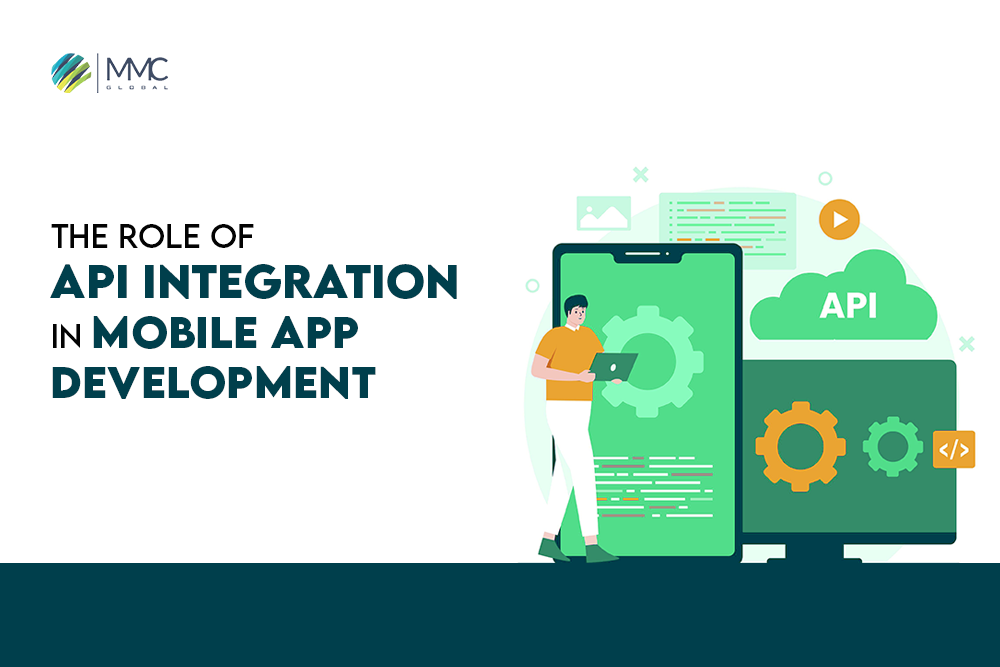
API development involves designing, building, and maintaining a set of interfaces that can be used to access the functionality of a web or mobile application. MarketsandMarkets estimates that the API management market will reach USD 4.5 billion in 2022 to USD 13.7 billion by 2027, growing at a CAGR of 25.1%.In today’s fast-paced digital landscape, mobile apps are expected to deliver seamless, real-time experiences that connect users with a wide range of services and data. This is where mobile app API integration (Application Programming Interface) plays a crucial role. By enabling communication between different software systems, APIs allow mobile apps to access third-party functionalities. It may be payment gateways, social media sharing, and location services, without building these features from scratch. The integration of API accelerates development and enhances app performance, user experience, and scalability. This blog will explore how API integration drives innovation and efficiency in mobile app development.
We will discuss the role of API integration in mobile app development and the significance of API management here.
What is API Integration?
API integration connects different software applications or systems using APIs to enable them to communicate and share data. An API acts as a bridge, allowing one application to access another’s features or data without knowing how it works internally. In mobile app development, API integration will enable apps to connect with external services, such as payment systems, maps, weather updates, or social media platforms, providing users with a richer and more dynamic experience. This integration streamlines development, reduces costs, and facilitates adding new features over time.
Read: What is an API.
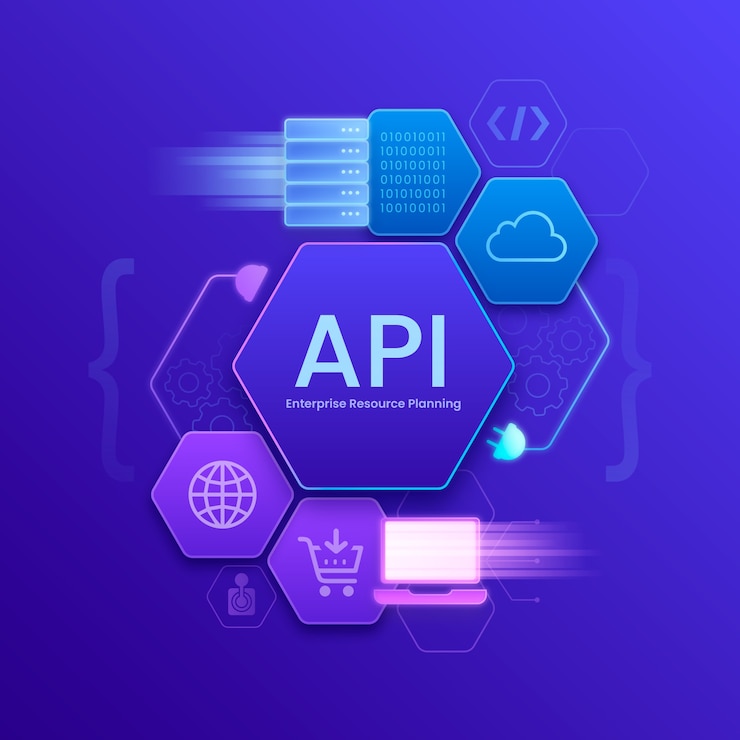
API development involves designing, building, and maintaining a set of interfaces that can be used to access the functionality of a web or mobile application. MarketsandMarkets estimates that the API management market will reach USD 4.5 billion in 2022 to USD 13.7 billion by 2027, growing at a CAGR of 25.1%.
Mobile App API Integration – How It Works
Mobile app API integration connects an application to third-party services or data sources to enable smooth and secure data exchange. In mobile app development, APIs allow developers to incorporate external features, such as payment processing, location tracking, or social media login, without building these complex systems from scratch. This saves development time and effort and allows teams to concentrate on the app’s core functionality and user experience.
API integration is especially vital in custom mobile app development. It enables apps to interact with external systems and services, significantly expanding their capabilities and value to users. For instance, if you’re developing an e-commerce app and want to include a payment gateway, API integration enables the secure processing of transactions through trusted providers, streamlining the checkout process and enhancing customer satisfaction.
The Significance of Mobile App API Integration
Mobile app API integration is a cornerstone of modern mobile app development, allowing applications to connect seamlessly with external systems, services, and data sources. This integration brings numerous benefits that directly impact the app’s efficiency, performance, and user satisfaction. Below are detailed reasons why API integration is essential:
Read: How API Integration Mastering The iGaming Experience?
Enhanced Functionality
Mobile app APIs provide developers access to advanced features and tools offered by third-party services, including geolocation, social media logins, cloud storage, and payment gateways. Instead of building these functions from scratch, developers can integrate them quickly and reliably, making the app more capable and appealing to users.
Accelerated Development Process
Integrating ready-to-use APIs reduces the time and effort needed to develop complex features. This shortens the overall development cycle, enabling businesses to launch their apps more quickly and respond more effectively to market demands or feedback.

Improved User Experience
Mobile app API integration enables smooth and interactive user experiences by connecting users to features they expect in modern apps, such as real-time chat, push notifications, personalized recommendations, or seamless checkout systems. The result is a more responsive, intuitive, and enjoyable app experience.
Scalability and Flexibility
Mobile app API integration makes it easier to scale app functionalities and capabilities. As your user base grows or business needs change, you can integrate new APIs or update existing ones to add features or improve performance without rebuilding the app from scratch.
Cost Efficiency
Developing complex features in-house can be time-consuming and expensive. APIs reduce costs by leveraging existing, proven technologies maintained by third-party providers. This lowers development and maintenance expenses while ensuring high-quality functionality.
Real-Time Data Access and Synchronization
Many APIs offer real-time data exchange, critical for apps that rely on live information, such as stock updates, weather forecasts, or ride-tracking in transport apps. This ensures users have accurate, up-to-date information at all times.
Increased Security and Reliability
Reputable third-party APIs often come with built-in security standards and compliance measures. By integrating these secure services, developers can enhance the app’s overall safety and reliability, particularly for sensitive features like payment processing or user authentication.
Competitive Advantage
Mobile API integration allows mobile apps to stay ahead of competitors by offering innovative features and integrations, such as AI-powered chatbots, analytics dashboards, or smart device connectivity. This makes the app more attractive to tech-savvy users and helps maintain a strong market position.
Easy Maintenance and Upgrades
APIs are typically maintained and updated by their providers. By integrating them, app developers can benefit from automatic improvements, new features, and bug fixes without additional effort, keeping the app current and efficient.
Read More: Top 8 Tools & Features for API Design.
What is API Management and Why Is It Important in Mobile App Development
API management refers to creating, publishing, securing, monitoring, and analyzing APIs consistently and scalable. It involves using tools and platforms that help developers manage the entire lifecycle of APIs—from design and deployment to version control, security, performance tracking, and monetization.
API management is crucial in mobile app development because mobile apps frequently rely on multiple APIs to connect with external services, including payment gateways, authentication systems, data analytics platforms, social media platforms, and more. Managing these APIs efficiently ensures the app runs smoothly, securely, and can scale effectively.
Why API Management Is Important in the Mobile App Development Process
Security and Access Control
API management ensures secure access to your app’s data and services by implementing authentication, authorization, encryption, and rate-limiting. This prevents unauthorized usage and protects sensitive user information.
Performance Monitoring and Optimization
With API management tools, developers can monitor API usage, real-time response times, error rates, and system load. This helps identify performance bottlenecks and optimize the app for a better user experience.
Scalability and Load Management
As user demand increases, APIs must handle larger volumes of requests. API management solutions help distribute and manage the load efficiently to ensure your app remains responsive and reliable.
Version Control and Lifecycle Management
Over time, APIs evolve. API management platforms allow developers to maintain multiple versions of an API without disrupting existing app users. This ensures backward compatibility and a smoother update process.
Analytics and Insights
API management provides detailed analytics on how APIs are being used—by whom, how often, and from where. These insights help make data-driven decisions to improve app features and user engagement.
Developer Support and Documentation
Effective API management encompasses comprehensive documentation and developer portals, facilitating seamless integration and collaboration with your APIs by your development team or third-party developers.
Faster Troubleshooting and Issue Resolution
Centralized logging and error tracking help developers quickly identify and fix issues, reducing downtime and improving app reliability.
Compliance and Governance
For industries with strict data regulations (like healthcare or finance), API management ensures that all API interactions meet compliance standards and organizational policies.
Conclusion
API integration plays a crucial role in the mobile app development process, enabling developers to add app features and services without building them from scratch. API management is equally important because it helps to standardize APIs, monitor their usage, control access, and ensure their security. Developers can build powerful and robust mobile apps that seamlessly interact with other systems and services using APIs and appropriate API management. By leveraging the power of APIs, mobile app developers can create robust, scalable, and feature-rich applications that deliver high value to users and align with modern digital expectations.