
Mobile apps in the healthcare industry are revolutionizing patient care, service quality, efficiency, and communication. Healthcare app development companies are highly invested in building scalable and high-performing apps, encouraging remote and highly accessible patient care to serve better and provide quality treatment through effective communication, real-time medical assistance, and quality treatments.
There are more than 318,000 health apps in top app stores with active users worldwide. These apps allow patients to manage their health, acquire instant medical assistance, book doctor appointments, track their sleeping cycles, monitor their sugar levels, and more. This technological marvel can benefit not only patients but the entire healthcare system, including physicians, patients, hospital personnel, and pharmacists.
Benefits of Mobile App Development In The Healthcare Industry
According to a recent survey, 75% of US consumers believe technology is essential for managing their health and lifestyle. Imagine consulting with your doctor from the comfort of your home—no hospital visit required. Mobile healthcare apps have revolutionized how patients and providers interact, offering convenience, efficiency, and personalization. With advanced features like AI-powered chatbots, voice assistants, and real-time monitoring, these apps are setting new standards in patient care.
Let’s explore the key benefits of mobile app development in healthcare.
Hassle-Free Appointment Booking
Gone are the days of waiting in long queues for a medical appointment. Mobile apps make scheduling consultations easy and stress-free. Patients can:
- Browse available time slots.
- Book appointments with just a few taps.
- Receive confirmation and reminders automatically.
These apps also allow virtual consultations, enabling patients to interact with their doctors through video or voice calls without leaving their homes. This saves time and reduces the risk of infection, especially during the COVID-19 pandemic.
Furthermore, patients prefer self-service digital health tools that are more dynamic and responsive than traditional websites. With a mobile app, they can:
- Create and manage their accounts.
- Access medical records and prescriptions.
- Chat with support or a chatbot for minor queries.
Real-Time Emergency Response and Alerts
Healthcare apps also enhance emergency response capabilities. Doctors can receive instant alerts from their patients in case of emergencies. These alerts may include:
- The patient’s location.
- Current symptoms or condition.
- A quick medical history for immediate decision-making.
Such real-time notifications allow doctors to prepare in advance, mobilize the required resources, and ensure quicker intervention. Additionally, healthcare apps can automate administrative tasks such as:
- Emergency documentation.
- Medication logs.
- Case prioritization.
Improved Coordination Between Healthcare Providers
Efficient communication is crucial in healthcare, where timing and accuracy can be lifesaving. A well-designed healthcare app improves coordination between:
- Doctors and patients.
- Doctors and nurses.
- Healthcare teams across departments.
Features that improve coordination include:
- Instant messaging or video conferencing between staff and patients.
- Notifications for upcoming appointments, test results, or follow-ups.
- Access to shared patient records ensures that every stakeholder is informed and up-to-date.
For example, nurses can get real-time updates on a patient’s treatment, medication schedules, and upcoming procedures, minimizing delays and improving care delivery.
Integration with Wearable Devices
Wearable technology is becoming a vital tool in preventive healthcare. Smartwatches, fitness trackers, and medical wearables monitor essential signs and seamlessly integrate with healthcare apps. These integrations allow:
- Continuous tracking of heart rate, blood pressure, glucose levels, and oxygen saturation.
- Automatically sync health data with the app.
- Alerts and reminders for medication, hydration, and exercise.
Additionally, doctors can access patient health data in real-time, enabling personalized treatments and early diagnosis. Common examples include:
- Asthma monitors.
- Stroke sensors.
- Diabetes tracking patches.
Enhanced Patient Experience and Brand Value
Unlike other industries, healthcare has relatively slowly adopted full-scale digital transformation. However, mobile apps equipped with cutting-edge technologies are changing that. By integrating:
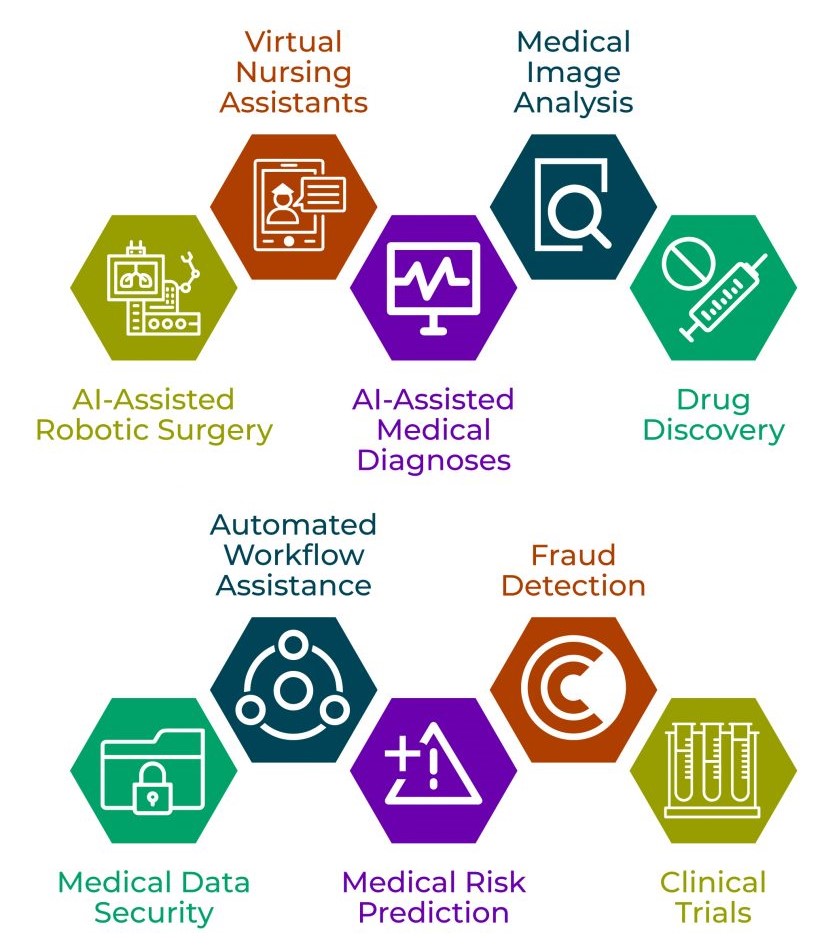
- Artificial Intelligence (AI) – for predictive analysis and smart health assistants.
- Blockchain – for secure storage and sharing of medical records.
- Internet of Things (IoT) – for real-time monitoring and smart device connectivity.
Healthcare providers can offer exceptional patient experiences, improve their reputation, and gain a competitive advantage. These apps:
- Increase patient engagement and satisfaction.
- Reduce administrative workload.
- Strengthen trust and brand loyalty through transparency and convenience.
In the long term, healthcare mobile apps empower organizations to optimize operations, increase profitability, and improve patient outcomes.
Healthcare App Development With Emerging Technologies
Artificial Intelligence (AI)
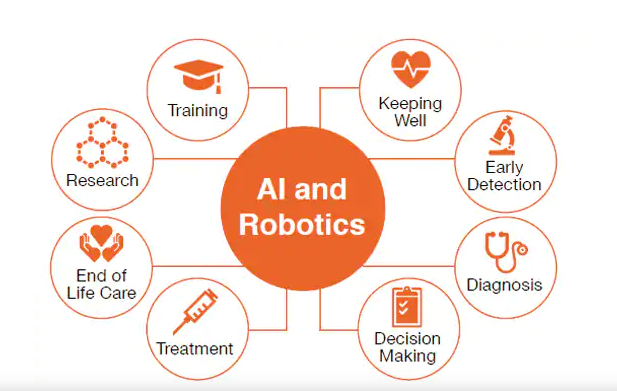
Artificial intelligence is booming in every market sector. It provides 24/7 customer support to help with quick decision-making. In the healthcare sector, it holds a powerful position to help doctors make data-driven decisions. Now, artificial intelligence also detects lung cancer by using AI blood testing.
Internet of Things (IoT)
The Internet of Things technology connects various electronic devices, software, and apps to gather data and manage operations across platforms. Using IoT integration, doctors may collect necessary information on the patient’s health status, medication, doses, and treatment progress.
Blockchain Development
You may already be familiar with blockchain because of the Bitcoin and cryptocurrency craze. Blockchain technology saves verified records of all transactions in a peer-to-peer database. Blockchain may use this technology in your bespoke healthcare mobile app to record and preserve a patient’s medical history in an encrypted format.
Augmented Reality
Augmented Reality, sometimes known as AR, is a digitally structured representation of reality. It expands on photographs, videos, and other data from the real world. AR-enabled mobile applications can significantly improve the experience and efficiency of training and hands-on patient care for doctors and surgeons. By stimulating real-world experience with it, clinicians can better comprehend the viability of a given procedure or diagnosis.
Big Data Analytics
Big Data supplies sufficient data, statistics, and figures that sophisticated software can handle. It can assist hospital administrators, health professionals, and doctors in handling many records and resources, reducing the need for paperwork.
Ending Notes
The Healthcare industry takes advantage of technology to the fullest. Doctors, administration, and patients get some relief from their hectic routine. Mobile apps save time, provide quick and instant assistance, hassle-free appointments, and, most importantly, a better experience. However, if you have not decided where to start or what type of mobile app you want, we are here to consult with you.
At MMC Global, designing and developing mobile apps is easy. We provide intuitive and user-friendly apps that can help patients whenever they need them. Let’s build a custom mobile app for your healthcare institutions.
Mobile app development is transforming the healthcare landscape. Mobile health apps offer unmatched convenience, real-time access, and personalized care, from booking appointments to managing chronic conditions. As technology evolves, healthcare providers who invest in innovative mobile solutions will be better positioned to meet the growing demands of modern patients while improving efficiency, safety, and profitability.