
The fintech revolution is more than just a buzzword—it’s a seismic shift in how financial services are delivered, accessed, and managed. With the global fintech market projected to surpass $556.58 billion by 2030, there’s never been a more opportune time to capitalize on this rapidly growing industry. Fintech, short for “financial technology,” blends innovation, automation, and smart tech to improve traditional financial systems, making them more accessible, efficient, and customer-friendly.
From neobanks and crypto wallets to peer-to-peer lending platforms and robo-advisors, fintech apps are changing how people interact with money. Whether you’re an aspiring entrepreneur, a tech enthusiast, or an established enterprise seeking to digitize operations, building a fintech mobile app can open new revenue streams, tap into global markets, and solve real-world financial pain points.
Let’s explore some of the most innovative fintech mobile app development ideas that have the potential to disrupt industries and become the next unicorn startup.
1. Smart Calculation & Financial Analysis Apps
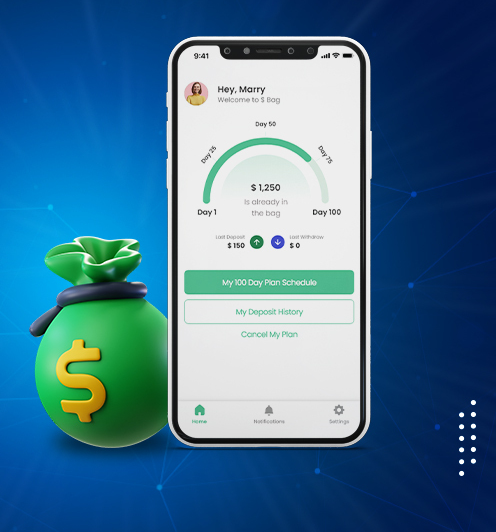
While a calculator may sound rudimentary, smart financial calculators go far beyond basic arithmetic. These apps can assess business health, track operational profitability, manage stock inventory costs, and automate budgeting.
Use Cases:
- Business owners evaluating cash flow
- Individuals managing household budgets
- Investors analyzing risk-to-reward ratios
Advanced Features:
- AI-based financial projections
- Integration with accounting software
- Customizable financial templates
- Real-time KPI dashboards
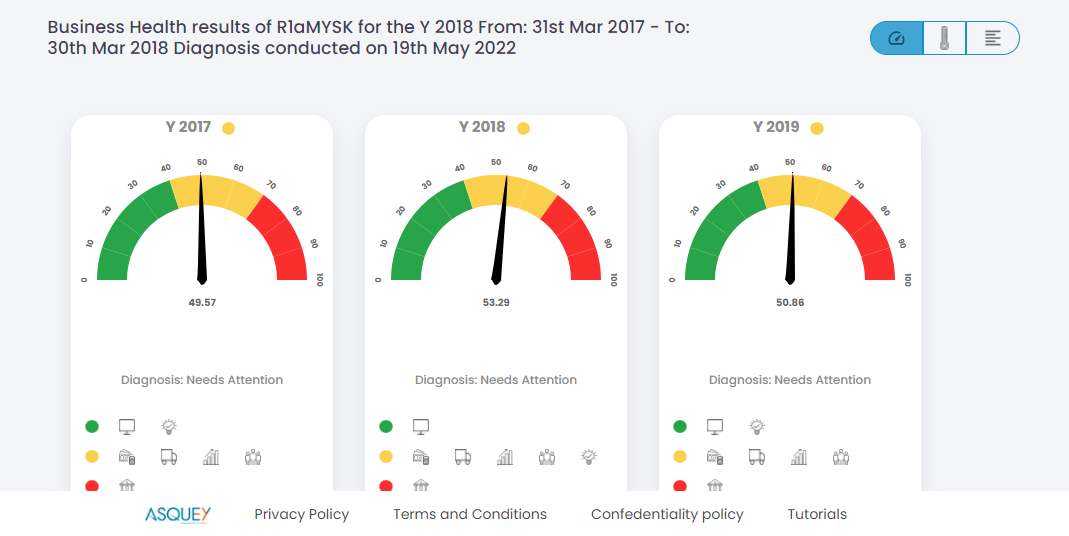
Example: At MMC Global, we developed a custom financial health analysis app, Vital Signs, to help SMEs track business financial performance to allocate yearly budget and identify improvements by analyzing financial health. A similar smart calculator app tailored to small businesses or freelancers could find wide adoption.
2. Peer-to-Peer & International Transaction Apps
With the rise of globalization and remote work, secure and fast cross-border transactions have become essential. While many banks offer digital payments, they often have high fees and delayed processing.
Why Build One?
- Cut down intermediary costs
- Enable instant, borderless payments
- Integrate crypto or blockchain for added transparency
Must-Have Features:
- Multi-currency support
- Real-time transaction tracking
- QR code scanning and NFC support
- Strong data encryption & biometric authentication
Inspiration: Venmo, Revolut, and Wise have already disrupted this space, but there’s still room for niche apps focused on freelancers, small-scale exporters, or underserved regions.
3. Investment & Wealth Management Apps
As people grow more financially aware, there’s a rising demand for tools that make investment easier, more transparent, and personalized.
Who Is This For?
- First-time investors looking to start small
- Professionals seeking portfolio diversification
- Busy individuals who want automated insights
Innovative Features:
- Robo-advisory tools powered by AI
- Personalized investment suggestions based on user goals
- Risk profile-based asset allocation
- Real-time stock and crypto market analysis
Example Apps: Robinhood, Stash, and Groww
Tip: Build niche investment apps—like ESG-focused investing, Shariah-compliant investments, or platforms for young professionals.
4. InsurTech (Insurance Technology) Apps
The insurance sector is ripe for disruption, and fintech-powered InsurTech apps are doing just that. With smart apps, users can purchase, manage, and claim insurance policies at their fingertips.
Why It’s a Game Changer:
- Eliminates paperwork
- Improves policy transparency
- Personalizes coverage options
Top Features:
- AI-driven premium suggestions
- Document upload and OCR verification
- Chatbots for policy assistance
- Fraud detection via behavior analysis
Niche Focus: Health insurance for freelancers, pet insurance apps, or localized apps for underserved rural populations.
Also Read: How Mobile Apps Can Help SMEs Grow: A Comprehensive Guide
5. Cryptocurrency & Blockchain Exchange Apps
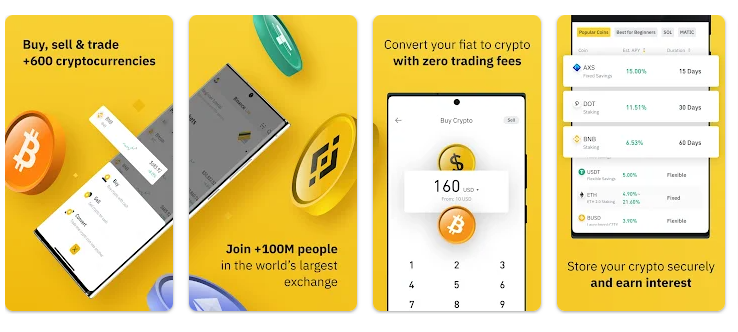
Cryptocurrency is no longer fringe—it’s becoming mainstream. With regulatory frameworks evolving, crypto exchange apps have enormous growth potential.
Opportunities:
- Peer-to-peer trading platforms
- Cold wallet integration for asset security
- Educational content for crypto newcomers
- DeFi (Decentralized Finance) lending and borrowing features
Security Features:
- Multi-signature wallet support
- Hardware token authentication
- AML/KYC compliance features
Examples: Binance, Coinbase, Kraken
If you want to differentiate, think beyond exchanges—build apps that help users pay bills with crypto, earn staking rewards, or track DeFi portfolios.
6. Fundraising & Donation Management Apps
Nonprofits, political campaigns, and personal crowdfunding efforts often struggle with transparency and fund tracking. A dedicated fundraising management app can solve this.
Who Can Benefit:
- NGOs managing donor records
- Event organizers care about collecting entry fees
- Community fundraisers for local causes
Key Features:
- Tier-based donor categorization
- Real-time donation tracking
- Tax-friendly receipt generation
- Integration with payment gateways and social media
Standout Idea: Build white-label fundraising apps for nonprofits with analytics dashboards and donor engagement tools.
7. Personal Finance & Budgeting Apps
Personal money management has never been more crucial. With inflation and economic uncertainty, people want to track where every dollar goes.
Core Features:
- Budget setting and goal tracking
- Expense categorization and AI-driven savings tips
- Shared wallets for couples or roommates
- Automated bill reminders and alerts
Top Apps in the Market: Mint, YNAB, PocketGuard
Idea: Introduce gamification—reward users for hitting savings goals or staying within budget.
8. Buy Now, Pay Later (BNPL) Platforms
BNPL is revolutionizing eCommerce by allowing consumers to purchase high-value items without upfront payments. From fashion to electronics, users enjoy flexible payment plans.
How BNPL Apps Work:
- The app pays the merchant in full
- Users repay the amount over 3–6 installments
- No interest (if payments are on time)
Features:
- Real-time credit scoring with AI
- Seamless checkout integration (online & offline)
- User-friendly merchant dashboard
- Automated reminders & late fee notifications
Target Sectors: Fashion, electronics, travel, education
Examples: Afterpay, Klarna, Tabby
9. Digital Credit Scoring App
Fintech apps can use alternative data (mobile usage, utility bills, social behavior) to build user credit scores in regions where traditional credit systems are underdeveloped.
Ideal For:
- Unbanked or underbanked populations
- Loan providers evaluating new applicants
- Tenants renting apartments without a credit history
Features:
- Machine learning-based behavior analysis
- Consent-driven data usage
- Integration with micro-loan platforms
10. Bonus Idea: Funds Management Apps
There are many purposes of fundraising and management. Funds are collected to support major causes or any campaign. It is very common in our daily lives, and if you are in the fund management department, you must keep a check and balance on all aspects.
What if a dedicated mobile app is for managing funds? Let’s create a fund management app to streamline all fund activities, real-time data, and calculations.
Help users track income, expenses, and goals.
- Features: Expense categorization, AI-based suggestions, and bill reminders
- Example: Mint, YNAB
Also Read: Top 5 Loan & Cash Advance Apps
Buy Now, Pay Later (BNPL) App
Revolutionize how consumers shop by offering instant credit at the point of sale. BNPL apps allow users to split purchases into manageable, interest-free installments, making high-ticket items more accessible while boosting merchant sales. These apps are now vital to modern eCommerce strategies and retail checkouts.
Features:
- Installment scheduling and automated tracking
- Real-time credit risk analysis and decision-making
- Seamless integration with online and offline stores
- User verification with KYC compliance
- Notification system for due dates and payment reminders
- Merchant dashboard for managing customer purchases and insights
How to Build a Finance Mobile App: A Complete Step-by-Step Guide
Building a finance mobile app requires more than just a good idea. It demands meticulous planning, in-depth market research, a deep understanding of financial systems, user behavior, and compliance with strict regulations. Whether you want to create a personal budgeting app, a crypto wallet, or a neobank, the process involves a combination of technical development and financial intelligence.
Here’s a detailed, step-by-step guide to help you build a finance mobile app that is secure, user-friendly, and market-ready using professional mobile app development services.
Step 1: Define Your Niche and App Type
Before you jump into development, clearly define what type of finance app you want to build. The finance industry is broad, so identifying a specific niche helps narrow down your target audience and feature set.
Popular Types of Finance Apps:
- Personal finance/budgeting apps (e.g., Mint, YNAB)
- Mobile banking apps (e.g., Chime, Revolut)
- Investment and trading apps (e.g., Robinhood)
- Crypto wallets and exchanges (e.g., Coinbase)
- BNPL (Buy Now, Pay Later) platforms (e.g., Klarna)
- Loan apps and microfinance platforms
- Expense split and bill sharing apps (e.g., Splitwise)
Step 2: Conduct Market & Competitor Research
Understanding the market ensures that your app has a unique value proposition. Research your competitors thoroughly and identify gaps or pain points you can solve better.
What to Analyze:
- Target audience behavior and demographics
- Features offered by top competitors
- Monetization strategies
- Security measures
- Reviews and user complaints
Use this research to create a Unique Selling Proposition (USP) that differentiates your app.
Step 3: Plan App Features and User Flow
Create a detailed list of features you want in the app. Ensure each feature solves a real problem and adds value to the user.
Essential Features for Finance Apps:
- User registration & KYC verification
- Account linking and aggregation
- Budget planning and goal tracking
- Transaction history and analytics
- AI-based insights and alerts
- Payment gateway integration
- Secure login (Biometrics, OTP, etc.)
- Data encryption and fraud detection
- Push notifications and reminders
Pro Tip: Use wireframes and mockups to map out the app’s interface and user journey before development begins.
Step 4: Ensure Legal Compliance & Security Standards
Finance apps deal with sensitive user data and are subject to strict regulatory laws. Compliance is non-negotiable.
Key Regulations to Consider:
- GDPR (Europe) – Data privacy
- CCPA (California) – Consumer protection
- PCI-DSS – Payment data security
- PSD2 – Open banking standards (Europe)
- AML/KYC – Anti-money laundering & customer verification
Security Practices to Implement:
- End-to-end data encryption
- Multi-factor authentication
- Real-time fraud monitoring
- Secure API connections
- Regular security audits
Step 5: Choose the Right Technology Stack
Your choice of technology determines app performance, scalability, and security.
Recommended Tech Stack:
- Frontend (Mobile):
- Android: Kotlin or Java
- iOS: Swift
- Cross-platform: Flutter or React Native
- Backend:
- Node.js, Python (Django), or Java Spring Boot
- Database:
- PostgreSQL, MongoDB, or Firebase
- APIs:
- Plaid, Yodlee (for bank integrations)
- Stripe, Razorpay, PayPal (for payments)
- Cloud Services:
- AWS, Google Cloud, or Azure
Make sure your architecture is scalable and modular to support future upgrades and increased user load.
Step 6: Design an Intuitive & Trustworthy UI/UX
Finance apps should be simple yet powerful. Users should be able to navigate the app intuitively while feeling secure about their financial information.
Best UI/UX Practices:
- Use clean, minimal layouts
- Include data visualization (charts, graphs)
- Use friendly language with complex data
- Prioritize accessibility (font size, color contrast)
- Highlight security badges and reassurances
Remember: Financial data can be overwhelming—your design should make it easier, not harder, to digest.
Step 7: Develop and Test Your App
Now it’s time to start coding. Use Agile methodology to build your app in stages (sprints), so you can test and refine as you go.
Development Phases:
- Backend development (server, database, APIs)
- Frontend/mobile app development
- Integrations (payment gateways, third-party APIs)
- Security implementation
Testing Types to Perform:
- Functional testing – Ensure each feature works as intended
- Security testing – Protect against breaches
- Usability testing – Assess user experience
- Performance testing – Check speed, load, and responsiveness
- Compliance testing – Ensure you meet regulations
Use both manual and automated testing for maximum reliability.
Step 8: Launch and Monitor Your App
After successful testing, launch your app on the Google Play Store and Apple App Store. Make sure your launch is backed by a marketing campaign to generate awareness and downloads.
Post-launch Checklist:
- Set up crash analytics (e.g., Firebase, Sentry)
- Track user behavior with tools like Mixpanel or Hotjar
- Monitor security logs in real-time
- Regularly push updates based on user feedback
- Add new features over time to increase engagement
Step 9: Monetize Your Finance App
Finance apps can be highly profitable if monetized correctly.
Popular Monetization Models:
- Subscription plans: Monthly/annual access to premium features
- Freemium model: Basic version is free; advanced tools are paid
- Transaction fees: Small charges for every transaction or investment
- In-app ads: Partner with fintech brands or financial institutions
- Affiliate marketing: Earn commissions on partner financial products
Choose a model that aligns with your app’s mission and value delivery.
Step 10: Scale, Improve & Stay Updated
Fintech is a fast-evolving sector. Regular updates, new features, and keeping up with regulatory changes are key to long-term success.
Scaling Tips:
- Expand to new regions with localized versions
- Add AI/ML to personalize financial insights
- Incorporate emerging trends like Open Banking or DeFi
- Launch a web version or PWA (Progressive Web App)
Always listen to your users. Use feedback loops and surveys to find out what they want next.
How Much Does It Cost to Build a Fintech App? [2025 Guide]
Building a fintech mobile app is a strategic investment that involves careful planning, specialized development, and strong security infrastructure. The cost of developing a fintech app varies significantly based on multiple factors, including the app’s complexity, platform, feature set, location of your development team, compliance requirements, and more.
Here’s a detailed breakdown of the cost involved in developing a fintech app in 2025.
Average Cost Range of Fintech App Development
| App Type | Estimated Development Cost |
| Basic personal finance app | $30,000 – $60,000 |
| Mid-level budgeting/investment app | $60,000 – $120,000 |
| Crypto wallet/stock trading app | $100,000 – $200,000+ |
| Neobank or digital banking app | $150,000 – $400,000+ |
| Buy Now, Pay Later (BNPL) app | $100,000 – $250,000 |
Note: These are average estimates. A custom-built app with advanced features, AI/ML, or integration with complex APIs can increase costs.
Key Factors That Affect Fintech App Development Cost
1. App Type and Features
The complexity of your app directly affects cost. A simple expense tracker will cost much less than a crypto trading platform or an insurance management system.
Basic features:
- User onboarding
- Budget tracking
- Notifications
- Payment gateway
Advanced features:
- AI-based financial insights
- Real-time stock market tracking
- Blockchain integration
- Multi-currency support
- Regulatory compliance engine
- Biometric security and fraud detection
2. Design Complexity
A high-end UI/UX tailored for finance apps (with dashboards, graphs, and visual spending insights) will require more design hours.
- Basic UI/UX: $3,000 – $7,000
- Advanced UI/UX with custom visuals: $10,000 – $25,000+
3. Platform Selection
- iOS or Android (Single platform): Lower cost
- Cross-platform (Flutter/React Native): Moderate cost
- Native for both platforms: Highest cost
Choosing cross-platform development can save 20–40% on cost without compromising performance.
4. Backend & API Integration
Fintech apps need solid backend infrastructure to securely handle user data, transactions, and real-time processing.
Typical backend costs:
$10,000 – $50,000+, depending on:
- API integrations (bank feeds, payment gateways)
- Microservices architecture
- Server-side logic
- Cloud deployment (AWS, Azure)
5. Security & Compliance Implementation
Security and regulatory compliance are non-negotiable for fintech apps.
Must-have components:
- End-to-end encryption
- GDPR, PCI-DSS, KYC, AML compliance
- Role-based access control
- Secure authentication (MFA, biometrics)
Estimated security implementation cost: $15,000 – $50,000+
6. Development Team Location
| Region | Hourly Rate (USD) |
| North America | $100 – $200/hr |
| Western Europe | $80 – $150/hr |
| Eastern Europe | $40 – $80/hr |
| South Asia (e.g., Pakistan, India) | $20 – $50/hr |
Choosing a reliable offshore development company can help cut costs while maintaining quality.
7. Post-launch Maintenance & Support
Ongoing support, updates, and bug fixing are essential for app longevity.
Annual maintenance cost = 15%–25% of the original development cost
(Example: For a $100,000 app, expect ~$15,000–$25,000/year in maintenance.)
Example Cost Breakdown: Mid-Level Budgeting & Investment App
| Component | Estimated Cost (USD) |
| Market Research & Planning | $3,000 – $7,000 |
| UI/UX Design | $5,000 – $15,000 |
| Frontend Development | $20,000 – $40,000 |
| Backend Development | $25,000 – $50,000 |
| API Integration (e.g., Plaid) | $5,000 – $10,000 |
| Security & Compliance | $10,000 – $30,000 |
| QA & Testing | $5,000 – $10,000 |
| Project Management | $5,000 – $10,000 |
| Total Estimate | $70,000 – $160,000 |
How to Reduce Fintech App Development Costs
- Start with an MVP: Launch a minimum viable product with only core features.
- Use pre-built APIs: Integrate third-party tools like Plaid, Stripe, or Yodlee instead of building from scratch.
- Outsource smartly: Partner with experienced offshore development companies for cost-effective solutions.
- Choose cross-platform: Build once, deploy on both Android and iOS.
Final Thoughts
These are a few Fintech mobile app ideas that can be built and launched in the market. These apps can transform the fintech industry if implemented in the right direction and with professional developers.
These fintech mobile app ideas are not just trends—they are scalable, monetizable, and impactful business models that can change lives and reshape economies. Whether you’re solving a local problem or aiming for global adoption, the right idea backed by a skilled development team can lead to a unicorn journey.
At MMC Global, we specialize in turning ideas into fully functional fintech solutions from mobile apps and ERPs to complete automation systems. With over 1000+ projects launched successfully across various industries, we’re well-equipped to handle complex challenges and build software that scales. Let’s brainstorm your fintech product today. We’ll help you validate the idea, define the roadmap, and design an experience your users will love.